
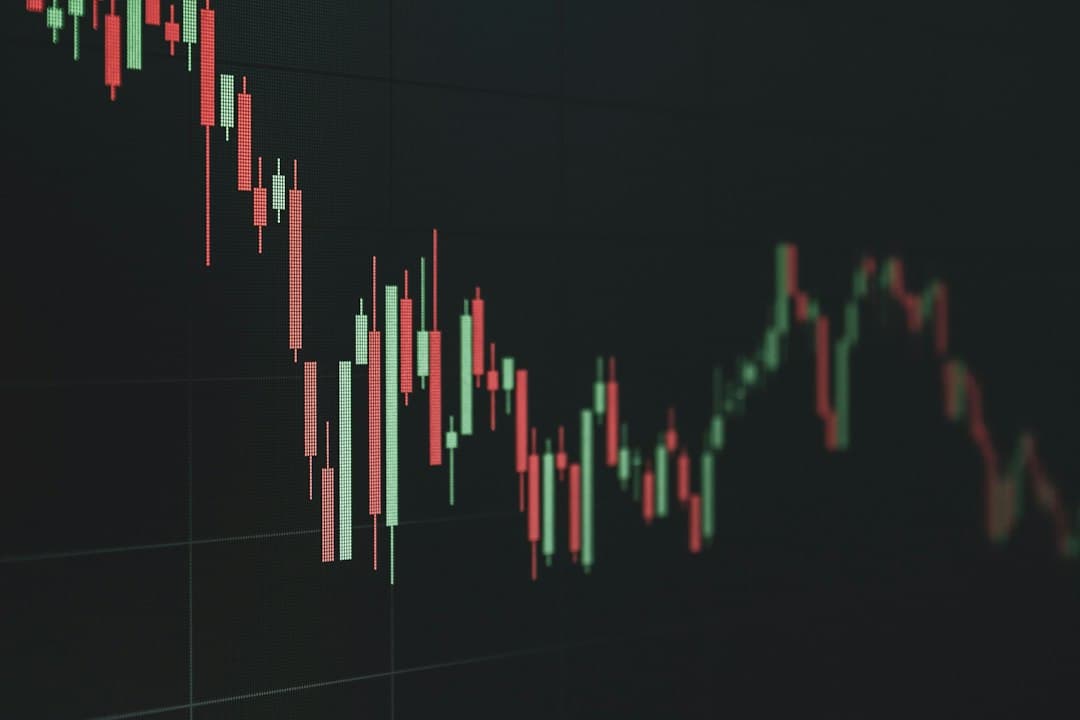
Photo by Arturo Añez on Unsplash
It's hard to sell a losing investment because of loss aversion: losses feel roughly twice as painful as gains of the same size feel good. While you still hold a losing investment, the loss feels temporary, as if it could still come back. Selling makes it final, so most people put it off.
The result is a well-documented pattern called the disposition effect: investors tend to sell their winners too early and hold their losers too long.
The evidence
In a 1998 study, finance professor Terrance Odean looked at 10,000 brokerage accounts. The pattern was clear: investors were far quicker to sell investments that had gained than ones that had lost. Selling a winner locks in a pleasant feeling. Selling a loser confirms a painful one.
The financial logic runs the other way. An investment's future has nothing to do with whether you happen to be sitting on a gain or a loss in it. The price you paid is history; the market doesn't know or care about it.
A worked example
Say you own two investments, and you need $1,000 in cash:
| You paid | Worth now | |
|---|---|---|
| Investment A | $1,000 | $1,500 |
| Investment B | $1,000 | $600 |
Most people sell A. It feels good to take a $500 profit, and selling B would mean admitting a $400 loss.
The better question ignores what you paid: if you had $2,100 in cash today, would you buy these two investments? If you'd buy A but not B, then B is the one to sell. In the US, selling at a loss can also create a capital loss that reduces your tax on other gains, while selling A at a gain could add to your tax bill.
Selling at the bottom
Loss aversion also works in the opposite direction during a market fall. As losses build, the pain grows until it feels unbearable, and the investor sells. That point often comes when prices are at their lowest, so they lock in the loss and miss the recovery. The sale wasn't based on new information about the investment, only on the strain of watching it fall.
Turning down good bets
The same bias makes people reject bets that are good on average. Offered a 50/50 coin flip to win $200 or lose $100, many people say no. On average the bet pays $50 per flip, but the possible $100 loss looms larger than the possible $200 gain.
Checking too often makes it worse
Economist Richard Thaler and colleagues described myopic loss aversion. In their experiments, people who checked their returns monthly put noticeably less into shares than people who checked yearly. Short-term returns bounce around, so checking often means seeing more small losses, and the same investment feels worse.
What helps
- Ask the "would I buy it today?" question, instead of anchoring on what you paid.
- Decide your selling rules in advance, while you're calm, rather than mid-crash.
- Check your portfolio less often if daily moves make you anxious.
Learn it properly
Finance Brain's Loss Aversion in Investing lesson, in the Portfolio Psychology course, covers the disposition effect, panic selling and myopic loss aversion in more depth, and ends with a short quiz. The rest of the course looks at other biases that shape how people manage their portfolios.
Finance Brain is educational content, not financial advice.