
The Oldest Law in Economics
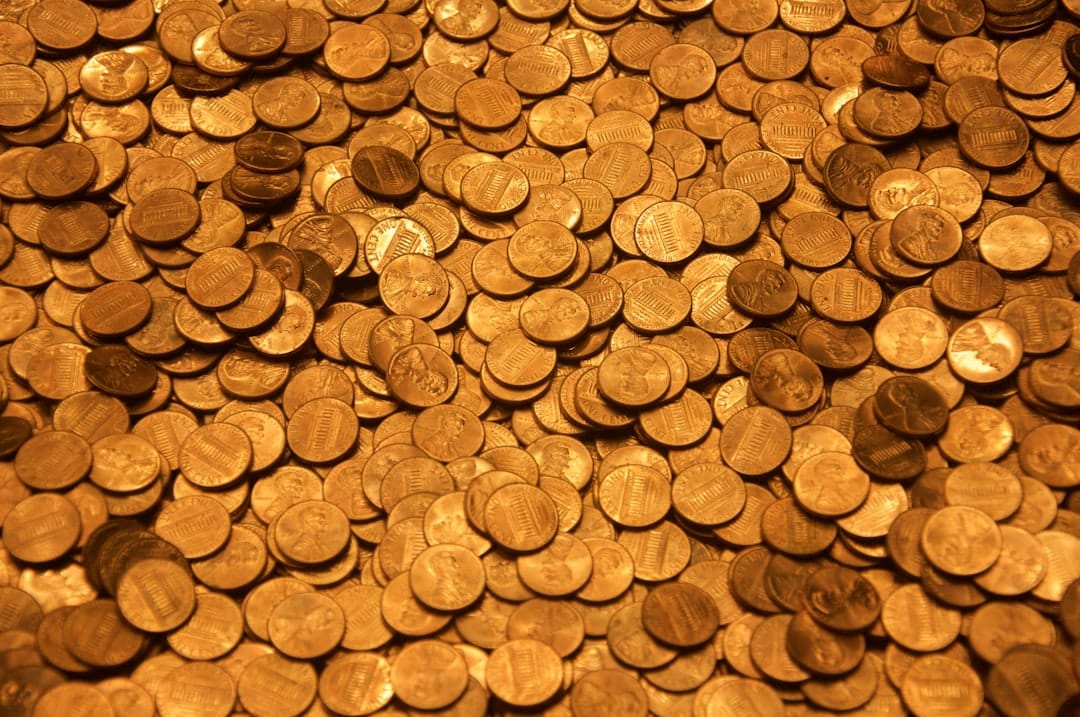
Photo by Dan Dennis on Unsplash
Gresham's Law states that "bad money drives out good." When two forms of currency circulate simultaneously with the same face value but different intrinsic worth, people hoard the more valuable form and spend the less valuable one. The "bad" money — the debased or overvalued currency — remains in circulation. The "good" money — the full-weight coin or more valuable form — disappears from everyday use.
The law is named after Sir Thomas Gresham, who articulated it in a letter to Queen Elizabeth I in 1558, advising her on the monetary chaos left by Henry VIII's debasement of the English coinage. But the pattern was described earlier by Aristophanes in ancient Athens (around 405 BC), who noticed that good silver coins had disappeared from circulation after the introduction of inferior bronze coins. The observation has been made independently in every monetary system that has ever issued debased currency alongside sound currency.
The Mechanism in Practice

Photo by Cova Software on Unsplash
The logic is simple. If a government mints two coins with identical face values — one containing a full ounce of silver and one containing half an ounce — rational citizens will spend the half-ounce coin and store the full-ounce coin. Over time, the full-ounce coins are hoarded, melted down, or exported. Only the inferior coins remain in circulation.
The Roman denarius is the most extensively documented example. As successive emperors reduced the silver content, citizens with access to older coins of higher purity retained them while spending the new debased issues. The state could manufacture the appearance of monetary stability by declaring both coins legal tender at the same face value, but market behaviour immediately revealed the reality.
The Modern Version

Photo by Atlantic Money on Unsplash
Modern economies rarely use commodity coins, but Gresham's Law continues to operate in updated forms. When a government issues currency that citizens distrust — through inflation, capital controls, or political instability — they seek to hold harder assets: foreign currencies, gold, property, or other inflation-resistant stores of value. The domestic currency circulates as quickly as possible (spending bad money) while harder assets are stored (hoarding good money).
In Venezuela and Zimbabwe during their hyperinflationary episodes, US dollars and physical goods circulated alongside the collapsing domestic currencies. Citizens spent their domestic currency immediately upon receiving it and converted any savings into dollars or commodities. The same dynamic played out in Weimar Germany: the mark was spent as fast as possible while foreign currency and real assets were hoarded.