
The Public as Creditor

Photo by Parabol | The Agile Meeting Tool on Unsplash
Once governments established the machinery of long-term debt, they faced a recurring question: who would buy the bonds? In the 17th and 18th centuries, the answer was primarily wealthy merchants and financial institutions. By the 20th century, states discovered they could broaden the market dramatically — selling bonds directly to ordinary citizens, transforming the public from passive taxpayers into active creditors of the war effort.
This shift had consequences beyond finance. Mass bond campaigns became instruments of social mobilisation, binding citizens' financial interests to the outcome of the conflict. A family that owned Liberty Bonds had a monetary stake in Allied victory.
WWI: The Liberty Bond Campaigns
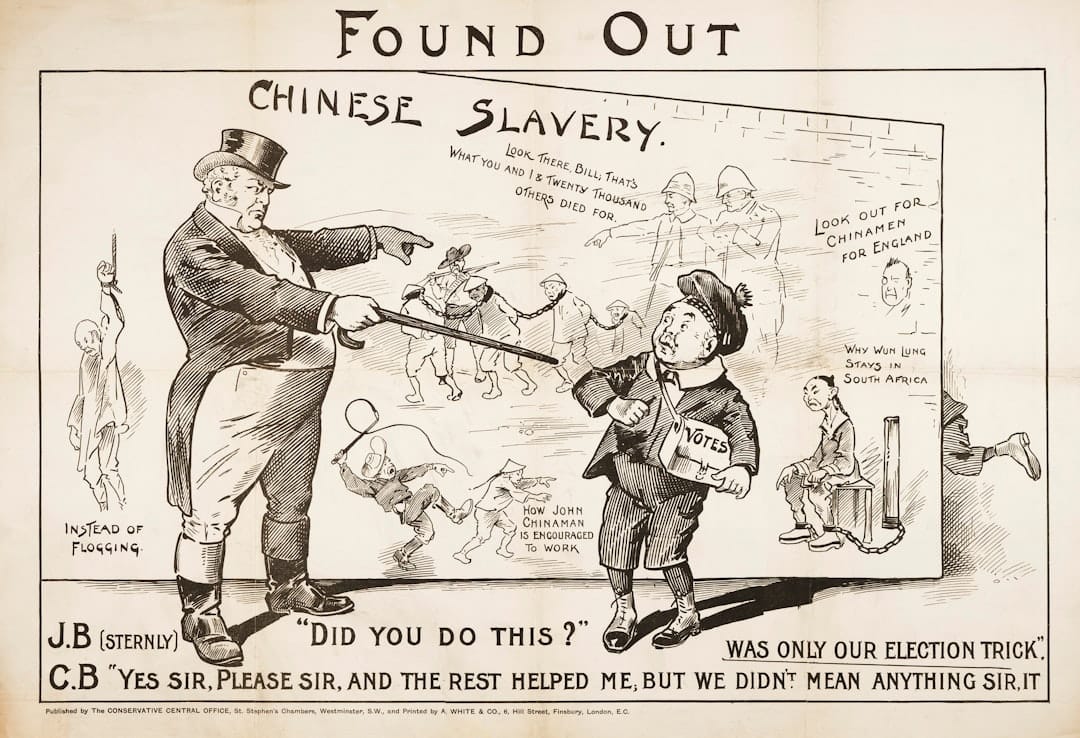
Photo by LSE Library on Unsplash
When the United States entered the First World War in April 1917, Congress faced an immediate question of war finance. The Wilson administration chose to fund roughly one-third of war costs through taxation and two-thirds through borrowing — primarily through four successive Liberty Loan drives.
The campaigns were unprecedented in scale and method. The Treasury Department deployed movie stars, celebrities, and mass advertising to sell bonds to ordinary Americans. Rallies were held in city squares; employers pressured workers to subscribe; social pressure made non-purchase conspicuous. Over 21 million Americans purchased Liberty Bonds, raising approximately $17 billion across the four drives. The campaigns succeeded not simply because Americans wanted to invest, but because they were designed to make not investing feel unpatriotic.
Britain ran parallel campaigns with similar dynamics. War bonds paying 5% were sold to the public from 1914 onward, with newspaper advertising and explicit appeals to patriotic duty. By 1918, Britain's national debt had risen from £650 million to £7.4 billion — an eleven-fold increase financed largely through domestic bond issuance.
WWII: Rationing Savings into Government Debt
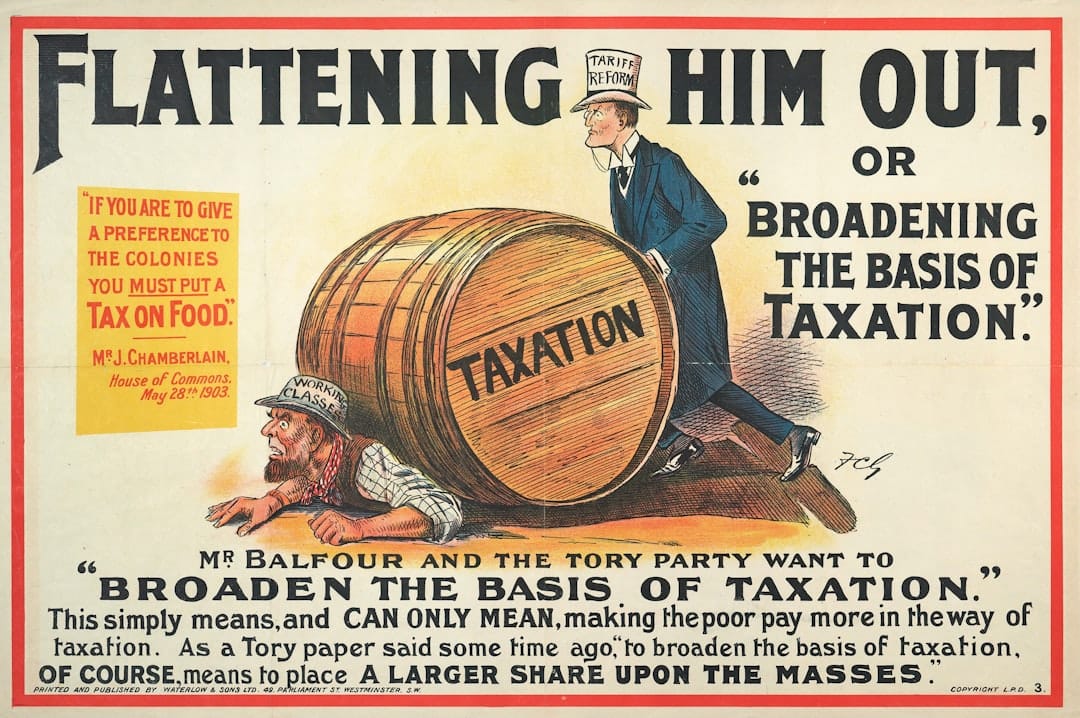
Photo by LSE Library on Unsplash
The WWII bond programmes operated in a different economic context. With millions of workers employed in war production at good wages — and consumer goods rationed or unavailable — there was a structural surplus of savings in the economy with nowhere obvious to go. War bond campaigns channelled this surplus directly into government finance.
The US Series E War Bond, sold at 75 cents on the dollar and redeemable at face value after ten years, was deliberately designed for small savers. Payroll deduction schemes allowed workers to buy bonds automatically from their wages. By 1945, 85 million Americans — more than half the population — held war bonds, with total sales exceeding $185 billion. The campaigns simultaneously funded the war and absorbed the purchasing power that would otherwise have driven wartime inflation.
When Bond Markets Lose Confidence

Photo by Tyler Prahm on Unsplash
The bond market's willingness to fund war at affordable rates is not guaranteed. It depends on lenders' belief that the state will repay. When that belief collapses, borrowing costs rise sharply, forcing states toward more inflationary financing or outright default.
France in the 18th century illustrates the failure mode. The French monarchy's history of partial defaults — reducing interest rates unilaterally, restructuring debt without creditor consent — meant French borrowing costs consistently exceeded English ones. By the 1780s, approximately half of French government expenditure went to debt service. The fiscal crisis this created was a direct cause of the conditions that led to the Revolution of 1789. The inability to borrow cheaply was not merely a financial inconvenience; it was a factor in the collapse of the regime.
The same dynamic operates in modern sovereign debt crises. A government that appears likely to default — or to inflate away its debt — will find bond buyers demanding higher yields to compensate for the risk. Higher yields increase debt service costs, worsening the fiscal position, potentially triggering a self-reinforcing spiral. The bond market's judgment on government solvency is swift and remorseless in a way that direct taxation never is.