Finance Brain
Courses
Sign in
← Back to decks
Sign in to save your progress, vote, and build your own decks.Sign in

Greenbacks Americas First Fiat Currency

The Legal Tender Act of February 1862 authorised the United States government to issue paper notes — "greenbacks," named for the green ink used on the reverse — not backed by gold or redeemable in specie, but declared legal tender by government decree. It was the first nationally issued fiat…

4 cards
Study this deck

Greenbacks Americas First Fiat Currency

Greenbacks: America's First Fiat Currency
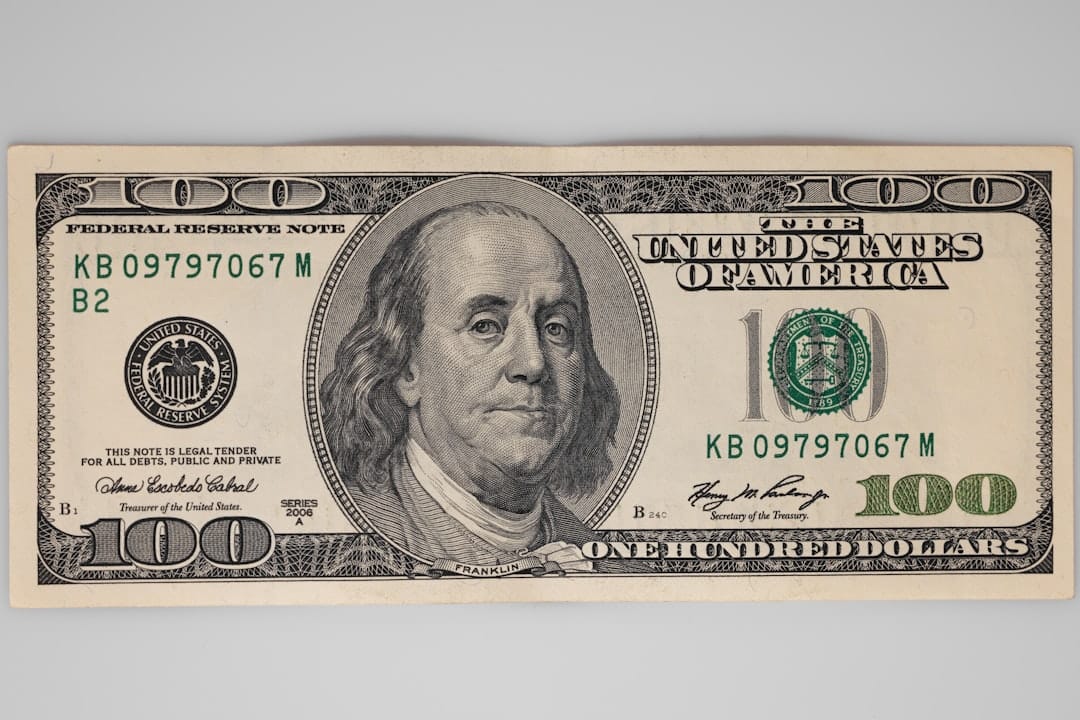
a one hundred dollar bill with a picture of a man's face on it

Photo by engin akyurt on Unsplash

The Legal Tender Act of February 1862 authorised the United States government to issue paper notes — "greenbacks," named for the green ink used on the reverse — not backed by gold or redeemable in specie, but declared legal tender by government decree. It was the first nationally issued fiat currency in American history, created under financial duress as the Civil War's costs overwhelmed existing revenue capacity.

The Fiscal Crisis of 1861
a black and white photo of soldiers in a trench

Photo by Provincial Archives of Alberta on Unsplash

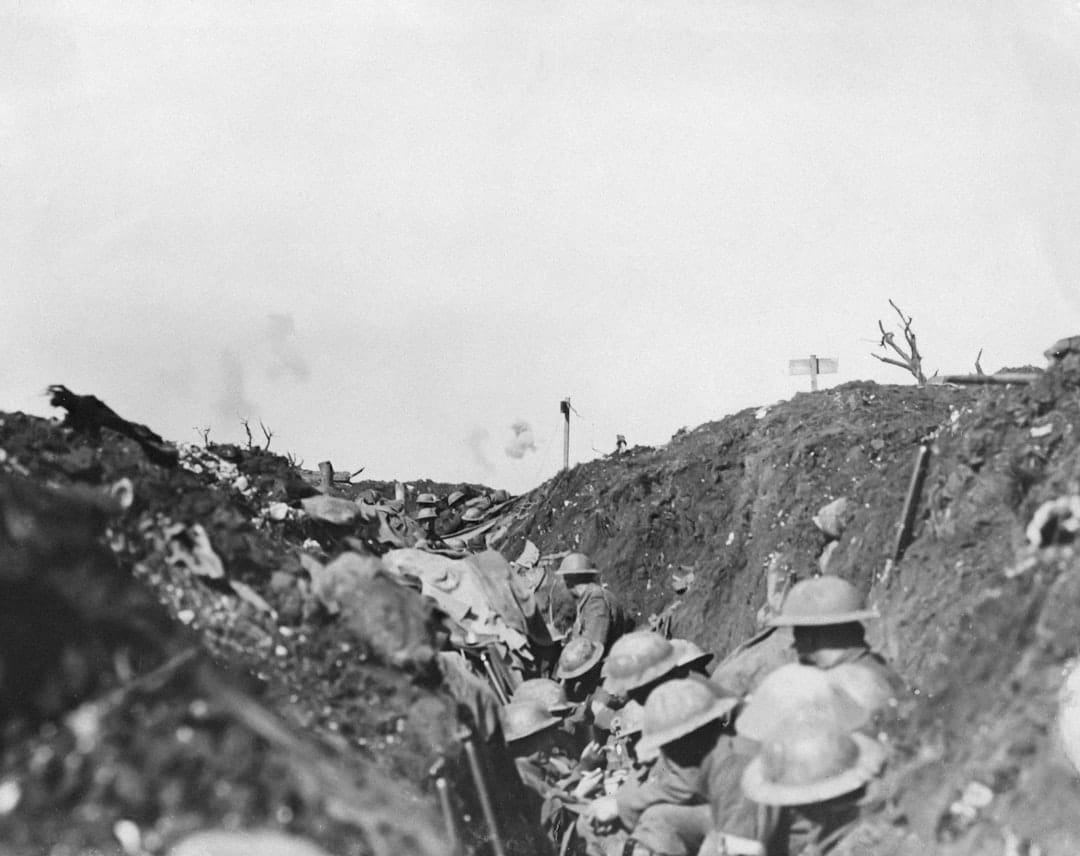
The Union government entered the Civil War with limited financial resources. The federal government was small, with annual revenues of approximately $80 million and debt well below the scale needed to fund industrial-scale warfare. Initial financing through bond sales proved inadequate: Secretary of the Treasury Salmon Chase's early bond issues sold at steep discounts as financial markets priced in war risk.

Chase's demand deposit agreement with commercial banks collapsed in December 1861 when a bank run depleted gold reserves and banks suspended specie payments. The government could no longer reliably convert its obligations to gold. Facing a fiscal crisis mid-war, Congress authorised the greenback as an emergency measure.

The Greenback's Mechanism

An old machine is sitting in a warehouse

Photo by Philippe Krief on Unsplash

Greenbacks were declared legal tender for all debts, public and private — except customs duties (still payable in gold) and interest on government bonds (also paid in gold, to maintain the credit of new bond issuances). The exclusions were significant: they preserved gold's monetary role in the sectors the government most needed to function while using paper for ordinary commerce.

By war's end, $450 million in greenbacks were in circulation. Their value fluctuated against gold: during Confederate military successes, the gold premium on greenbacks expanded (greenbacks worth less in gold terms); after Union victories, it contracted. In July 1864 — the war's darkest financial moment — it took $2.85 in greenbacks to buy $1 in gold.

The Post-War Deflation Debate
a black and white photo of people working in a factory

Photo by Vestfoldmuseene on Unsplash

After the war, a fierce political debate erupted over what to do with the greenbacks. "Hard money" advocates (creditors, Eastern financial interests) wanted greenbacks retired and a return to gold at pre-war parity, which required deflation — reducing prices until they matched the pre-war gold price. "Soft money" advocates (debtors, Western farmers) wanted the greenbacks maintained or expanded.

The deflation ultimately prevailed: the Resumption Act of 1875 committed to restoring gold convertibility by 1879. The subsequent deflation was severe, contributing to the agrarian discontent that produced the populist movement of the 1880s and 1890s and William Jennings Bryan's "Cross of Gold" speech.

Educational content only. Not financial, investment, tax or legal advice. Learn more

Quiz me on this
Why did the Union government issue greenbacks rather than continuing to finance the Civil War through bond sales and tax revenues?
  1. Congress constitutionally prohibited new bond issuances without a supermajority, which the wartime legislature could not achieve
  2. ✓ A banking crisis in December 1861 suspended specie payments, leaving the government unable to meet its obligations in gold
  3. European creditors refused to purchase US bonds because they were uncertain which side would win the war
  4. The Confederacy had flooded Northern markets with counterfeit bonds, destroying confidence in US government debt
What did the greenback gold premium of $2.85 in July 1864 indicate about market confidence?
  1. Gold had become more valuable as a commodity due to wartime demand for jewellery and industrial uses
  2. ✓ Holders of greenbacks accepted severe purchasing power losses, indicating very low confidence in Union war prospects
  3. The Federal Reserve was restricting gold circulation to prevent capital flight
  4. Confederate raiders had captured Union gold reserves, creating a genuine gold shortage
Why did the post-war Resumption Act require deflation rather than simply adjusting the gold parity to match wartime inflation?
  1. International gold standard treaties required all participating nations to maintain pre-war gold parities
  2. ✓ Hard money advocates insisted on restoring the pre-war parity, which required reducing greenback-denominated prices back to their pre-war levels
  3. Deflation was economically preferable to adjusting parity because it encouraged saving and reduced consumption
  4. Congress lacked the authority to alter the statutory gold parity established in the Coinage Act of 1792
What political movement emerged from the deflationary consequences of post-Civil War monetary policy?
  1. The Progressive movement, which sought to break up financial monopolies and create antitrust regulation
  2. ✓ The Populist movement, representing agrarian debtors harmed by deflation, culminating in William Jennings Bryan's "Cross of Gold" speech
  3. The Labor movement, representing industrial workers whose wages fell in real terms during the deflation
  4. The Temperance movement, which identified financial hardship from deflation as a driver of alcohol consumption