
The Allocation Problem

Photo by Remy Gieling on Unsplash
Every economy faces the same three fundamental questions: What should be produced? How should it be produced? Who gets it? These are allocation questions — decisions about directing scarce resources across an unlimited range of possible uses.
In a market economy, prices answer these questions automatically. No government committee decides how many cars to make or where nurses should work. Instead, decentralised decisions by millions of buyers and sellers sort it out continuously through prices, profits, and competition.
How Prices Direct Resources

When consumers want more of something, they bid its price up. Higher prices signal to producers that it's worth investing resources to supply more. Entrepreneurs see the profit opportunity and enter the market. Investment flows toward the high-demand area, and eventually supply catches up.
The opposite happens when demand falls. Prices drop, margins shrink, and resources — labour, capital, materials — gradually shift toward more profitable uses elsewhere.
This is resource allocation in action: a continuous, decentralised process of directing labour, capital, and materials toward their most valued uses, guided entirely by price signals.
Profits and Losses as Signals

Photo by Arno Senoner on Unsplash
In a market economy, profits and losses play a crucial role. Profits signal that resources are being used well — that something is being produced that people value more than it costs to make. Losses signal the opposite.
This feedback mechanism helps explain why market economies tend to be adaptive. Businesses that misallocate resources — producing things people don't want, or producing them inefficiently — eventually absorb losses and either improve or exit. Businesses that read the signals correctly survive and grow.
The Limits of Markets
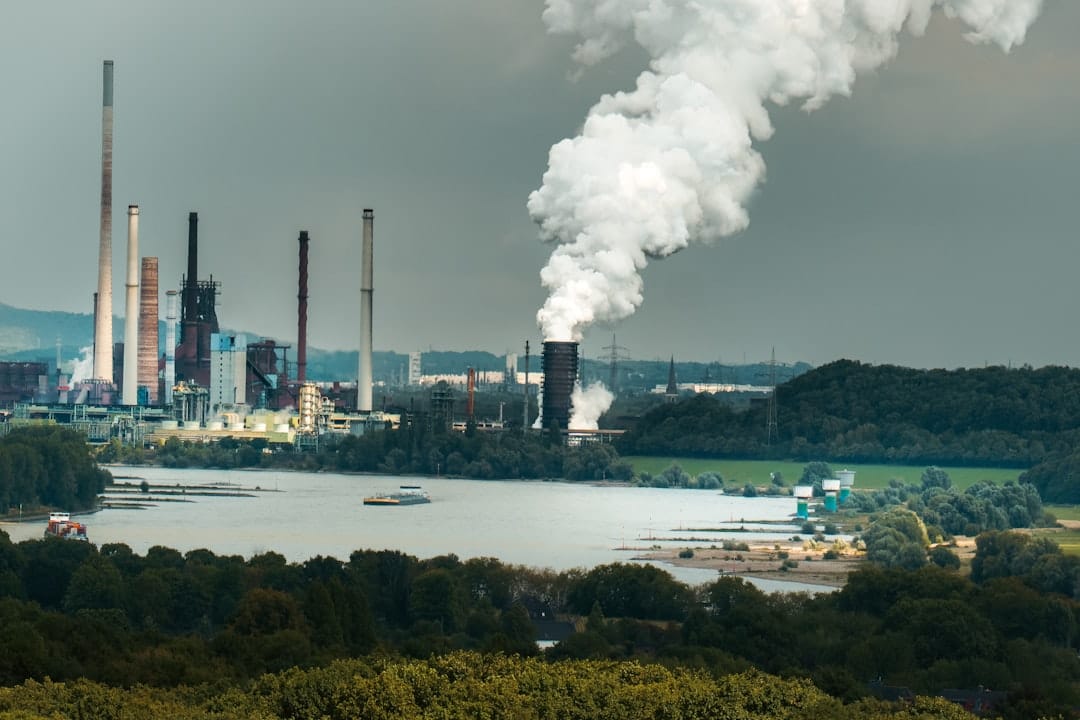
Photo by Jakub Żerdzicki on Unsplash
Markets allocate resources efficiently under the right conditions, but those conditions aren't always met. Markets struggle to provide public goods (like national defence or clean air) because there's no way to charge individuals for them. They also tend to underprovide things where the full benefits flow to society rather than the producer — like basic research or education.
Understanding both the power and the limits of markets is important for interpreting economic news, evaluating policy debates, and making sense of why some things are priced and some things aren't.
What This Means Practically

Photo by Kelly Sikkema on Unsplash
Knowing how markets allocate resources helps you spot opportunities. Skills or services that are underpriced relative to their demand tend to attract investment until prices adjust. Regions or industries where capital is flowing often signal where economic activity — and opportunity — is growing.