Finance Brain
Courses
Sign in
← Back to decks
Sign in to save your progress, vote, and build your own decks.Sign in

Financing the Great War

World War I was the most expensive conflict in human history to that point — and the question of how it was paid for shaped both the war's outcome and the subsequent economic history of the 20th century. The war cost approximately $200 billion in 1913 dollars across all belligerents — an…

4 cards
Study this deck

Financing the Great War

Financing the Great War

A very large room with a lot of windows

Photo by Filip Baotić on Unsplash

World War I was the most expensive conflict in human history to that point — and the question of how it was paid for shaped both the war's outcome and the subsequent economic history of the 20th century. The war cost approximately $200 billion in 1913 dollars across all belligerents — an incomprehensible sum for economies whose combined prewar government revenues were a small fraction of that figure.

The British Approach
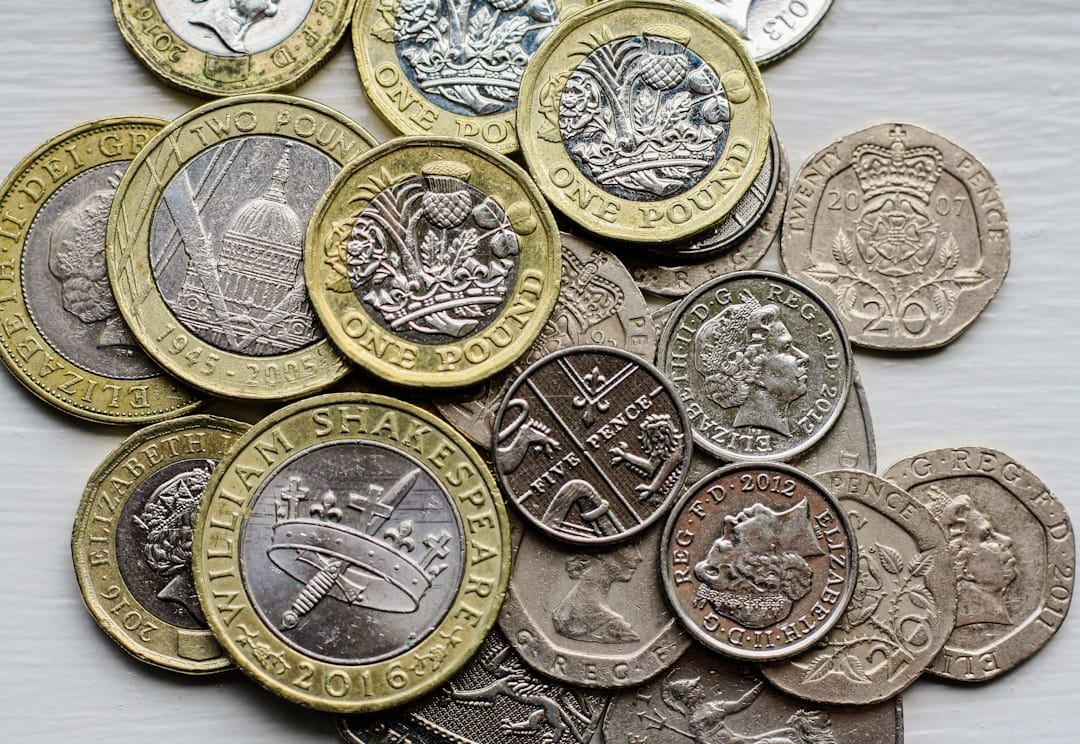
a pile of british coins sitting on top of a table

Photo by Sarah Agnew on Unsplash

Britain began the war with the world's most developed capital market and the most credible sovereign credit. Its approach was to finance the war primarily through debt rather than taxation — Liberty Loans and War Loans raised enormous sums from British savers, supplemented by US lending once American neutrality policy permitted. Britain also depleted its enormous overseas investment portfolio: assets built up over a century were liquidated to pay for war imports.

By war's end, Britain had gone from the world's largest creditor nation to a net debtor. The US had gone from net debtor to net creditor. The geopolitical consequences of this financial reversal were as significant as any battlefield outcome.

The German Approach
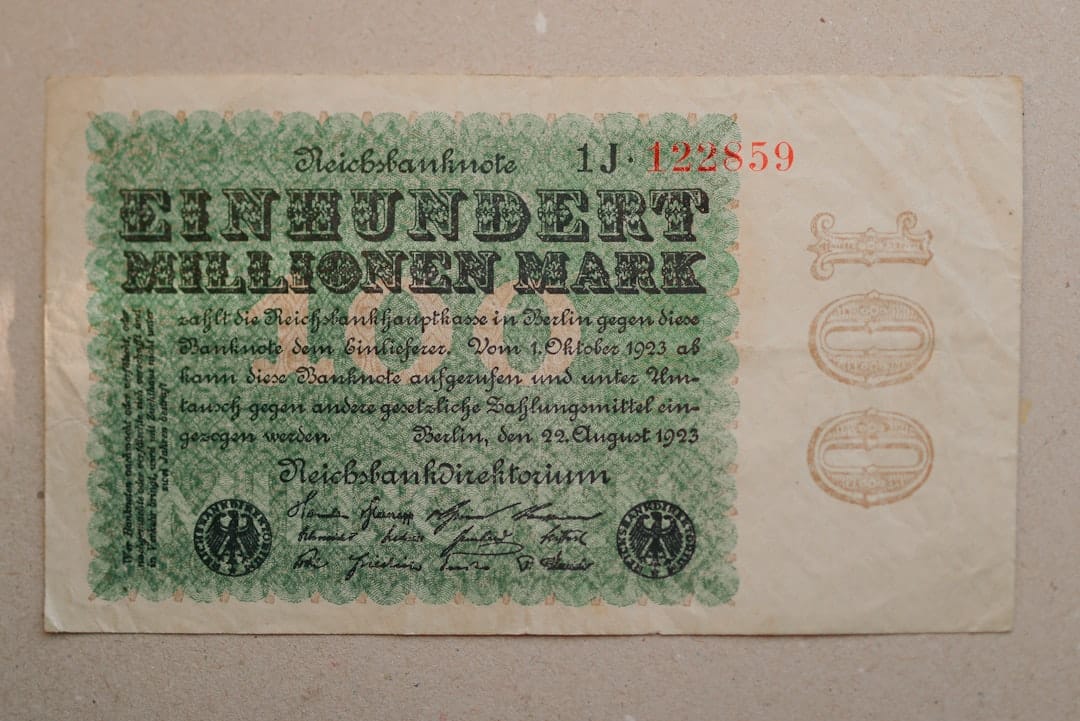
a green and brown paper currency with a picture of a man on it

Photo by rc.xyz NFT gallery on Unsplash

Germany financed its war almost entirely through debt rather than taxation. Finance Minister Helfferich explicitly argued against wartime taxation on the grounds that Germany's enemies would pay the costs through war reparations — a calculation that proved catastrophically wrong. Germany issued nine successive War Loan (Kriegsanleihe) drives, raising approximately 98 billion marks from German savers.

The consequence: Germany accumulated enormous domestic debt, then lost the war and was unable to honour reparations demands. The postwar combination of war debt, reparations pressure, and the economic disruption of defeat created the fiscal conditions that eventually produced the Weimar hyperinflation.

The American Entry
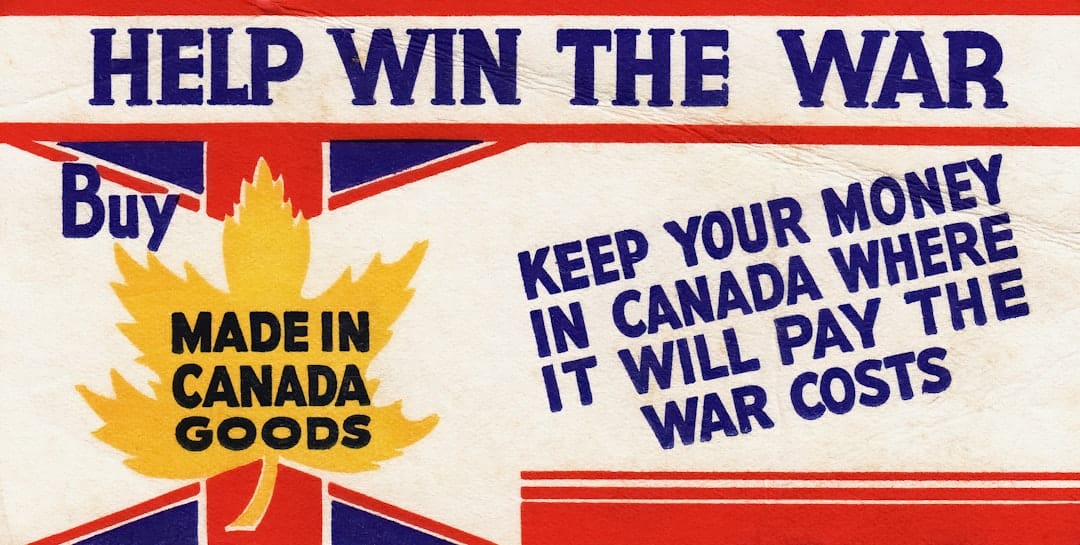
Help win the war, buy made in canada goods.

Photo by Community Archives of Belleville and Hastings County on Unsplash

When the US entered the war in April 1917, it brought not only troops but financial resources. The Liberty Bond drives raised approximately $17 billion from American citizens — organised through an extraordinary campaign of patriotic pressure, celebrity endorsements, and community bond-buying quotas.

Critically, US government loans to the Allied powers replaced the private American lending that had sustained Britain and France for the previous three years. The US government's entry as a direct lender established its financial relationship with Allied powers that complicated post-war negotiations for decades.

Educational content only. Not financial, investment, tax or legal advice. Learn more

Quiz me on this
What was the approximate total cost of World War I across all belligerents, and how did it compare to prewar government revenues?
  1. Approximately $20 billion — roughly equal to one year of combined prewar government revenues
  2. ✓ Approximately $200 billion in 1913 dollars — a multiple of what any combination of conventional war financing could cover
  3. Approximately $2 trillion in 1913 dollars — making it impossible to finance without complete currency collapse
  4. Approximately $50 billion — covered roughly half by taxation and half by bond sales
What was the long-term consequence of Britain's wartime financial approach for its global economic position?
  1. Britain emerged as the world's dominant creditor, having lent to its allies throughout the conflict
  2. ✓ Britain went from the world's largest creditor nation to a net debtor, while the US became the world's dominant creditor
  3. British war financing was so efficient that its debt-to-GDP ratio barely increased despite four years of fighting
  4. Britain's financial system was so disrupted that it required a decade of American loans to restore normal functioning
Why did Germany's decision to finance the war primarily through debt rather than taxation prove catastrophically wrong?
  1. German bond investors refused to accept repayment in anything other than gold, creating a convertibility crisis
  2. ✓ Germany assumed it would win and impose war reparations on its enemies; losing the war left it with enormous debt and reparation obligations it could not service
  3. German war bonds were sold at prices that required redemption at a loss, making them more expensive than direct taxation would have been
  4. The German public refused to purchase war bonds voluntarily, requiring compulsory purchases that undermined savings
What did the US Liberty Bond drives achieve beyond their direct financial purpose?
  1. They created a class of bond-holding Americans who subsequently opposed military spending
  2. ✓ They established public debt as a democratic financial instrument and created mass participation in federal finance
  3. They generated sufficient revenue to fund the US war effort without any money creation
  4. They demonstrated that bond sales could replace taxation as a permanent government financing mechanism