
Why People Trade

Photo by Shelley Pauls on Unsplash
Trade exists because specialisation creates value. When individuals, businesses, and countries focus on producing what they're best at and trade for everything else, everyone ends up with more than they would if each tried to produce everything independently.
This seems intuitive at an individual level — a lawyer doesn't fix their own plumbing, and a plumber doesn't write their own contracts. Each specialises and trades, and both are better off. The same logic applies between cities, countries, and entire economies.
Absolute vs Comparative Advantage

Photo by Arno Senoner on Unsplash
You have an absolute advantage in producing something if you can produce it more efficiently than others — faster, cheaper, or with fewer resources.
Comparative advantage is subtler and more important. You have a comparative advantage in producing something if you can produce it at a lower opportunity cost than others — even if you're not the absolute best at it.
The classic example: a surgeon is faster at both surgery and typing than their assistant. They have an absolute advantage at both. But their time is far more valuable in surgery. The opportunity cost of the surgeon typing is enormous. So they focus on surgery and delegate the typing — even though they could do both better.
This is comparative advantage: focus on what you give up the least to do.
How This Shapes the Global Economy
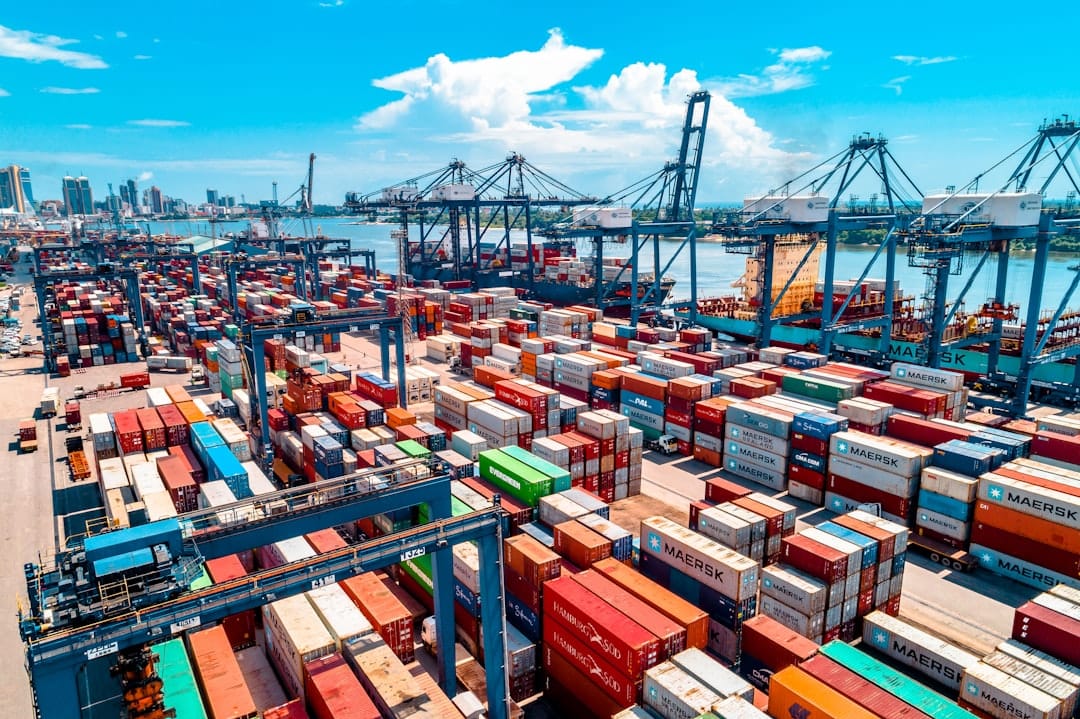
Photo by Ali Mkumbwa on Unsplash
Comparative advantage explains why countries trade rather than trying to be self-sufficient. Brazil focuses on coffee; Germany on engineering; Bangladesh on textiles — not because they can't produce anything else, but because the opportunity cost of specialising and trading is lower than producing everything domestically.
This creates mutual benefit, even when one country seems to be better at everything. Trade isn't a competition where one side wins — it's a mechanism that expands total output for both parties.
Applying This Personally

Photo by Icons8 Team on Unsplash
Comparative advantage applies to careers and time management. The question isn't just "what am I best at?" It's "what's the highest-value use of my time, given what I give up to do it?"
Identifying your comparative advantage — the area where your skills, experience, and passion intersect in a way that others struggle to replicate — is one of the most important career and financial decisions you can make.