
Athenian Imperial Finance

Photo by Dawid Tkocz on Unsplash
The Athenian empire was, at its core, a revenue extraction system. What began as the Delian League — a voluntary defensive alliance against Persia formed in 478 BC — gradually transformed into an Athenian imperial mechanism in which subject states paid tribute to a fund nominally held in common but effectively controlled by Athens.
The Delian League's Financial Architecture

Photo by Abdiel Mejia on Unsplash
The League was originally headquartered on the sacred island of Delos, where member states deposited tribute (phoros) into a common treasury. Members could contribute either ships (which Athens preferred for small states with limited naval capacity) or money. Athens preferred money: cash was fungible and could be directed by Athenian leadership; allied ships would be commanded by allied captains with their own priorities.
In 454 BC, following a disastrous Athenian military expedition to Egypt, Pericles moved the treasury from Delos to the Acropolis in Athens, citing security concerns. The move was also politically convenient: it made the funds physically available to Athenian policy. By mid-century, the League had transformed from an alliance into an empire, and its treasury into Athenian state revenue.
Tribute Assessment and Collection
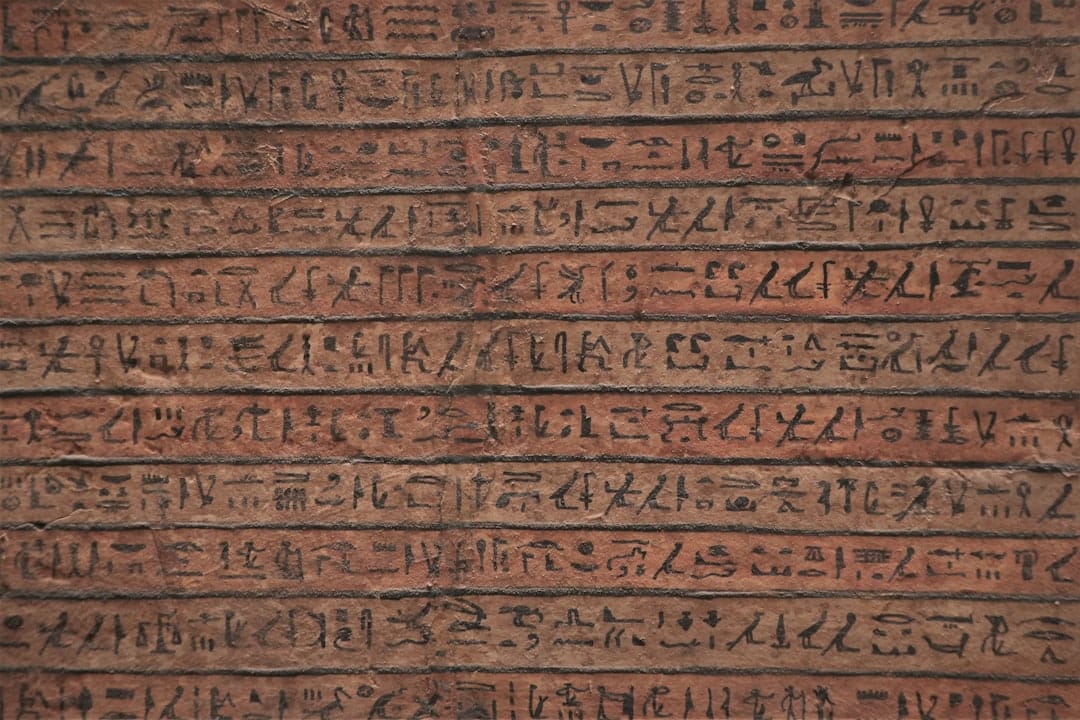
Photo by Chris Linnett on Unsplash
Tribute was assessed every four years by Athenian commissioners (the hellenotamiai), with amounts varying by state capacity. The tribute lists — stone inscriptions recording payments — survive in fragmentary form and represent one of the richest primary sources for 5th-century Athenian financial history. At the League's peak, tribute revenues reached approximately 600 talents annually — equivalent to roughly 3.6 million daily wages of a skilled worker.
States that refused to pay or rebelled faced military retribution. Athens planted cleruchies (colonies of Athenian citizens) on rebellious territory, expropriating land and serving as permanent garrisons. The financial system was enforced by the same fleet the financial system had built.
The Strategic Lesson: Imperial Finance

The Athenian model illustrates a recurring pattern in monetary history: a powerful state uses initial military advantage to construct a financial extraction system, which then funds the military that maintains the system. The British Empire's financial architecture — extracting revenue from colonies to fund the navy that protected trade — followed the same logic 2,000 years later. Reserve currencies from Athens' owl tetradrachm to the modern US dollar encode versions of the same dynamic: the dominant power sets the terms of monetary exchange and extracts structural rents from those terms.