
What Makes Something a Commodity

A commodity is a raw material or primary good that can be bought and sold, typically as an input to the production of other goods or services. What distinguishes a commodity from any other product is fungibility: one unit is interchangeable with another unit of the same grade and type. A barrel of WTI crude oil from Texas is, by definition, identical to any other barrel of WTI crude oil. This interchangeability is what makes large-scale trading and price discovery possible.
Commodities share three defining characteristics. First, fungibility — as described above. Second, standardised quality: commodity exchanges define precise specifications (moisture content for grain, sulfur content for oil, purity for metals) so that buyers and sellers never need to inspect the physical good before transacting. Third, physical deliverability: a commodity contract, at its foundation, represents a real physical good that can be delivered. This physical anchor distinguishes commodities from purely financial instruments.
Hard Commodities: Extracted from the Earth
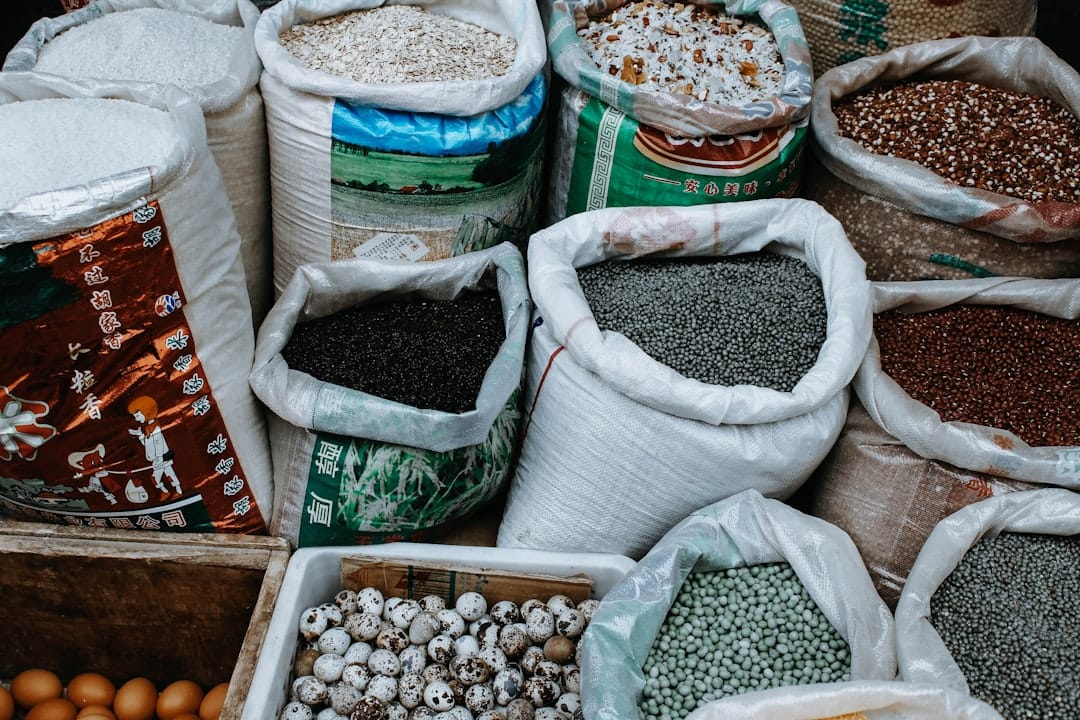
Photo by Kristen Sturdivant on Unsplash
Hard commodities are those extracted or mined from the earth. The category divides into two broad groups.
Energy commodities include crude oil, natural gas, coal, and — increasingly — uranium. These are the fuels and feedstocks that power industrial economies. Oil alone accounts for roughly one-third of global primary energy consumption and is the world's most traded physical commodity by value.
Metals encompass both precious metals (gold, silver, platinum, palladium) and industrial or base metals (copper, aluminium, zinc, nickel, iron ore). Precious metals have historically served monetary roles in addition to their industrial applications. Base metals are valued almost entirely for their industrial uses — copper in electrical wiring, aluminium in transport, zinc in galvanising steel.
Hard commodities tend to have concentrated supply chains. Oil is often found in geopolitically sensitive regions; copper deposits are concentrated in Chile and Peru; cobalt is heavily concentrated in the Democratic Republic of Congo. This geographic concentration means geopolitical risk is a persistent driver of hard commodity prices.
Soft Commodities: Grown and Raised
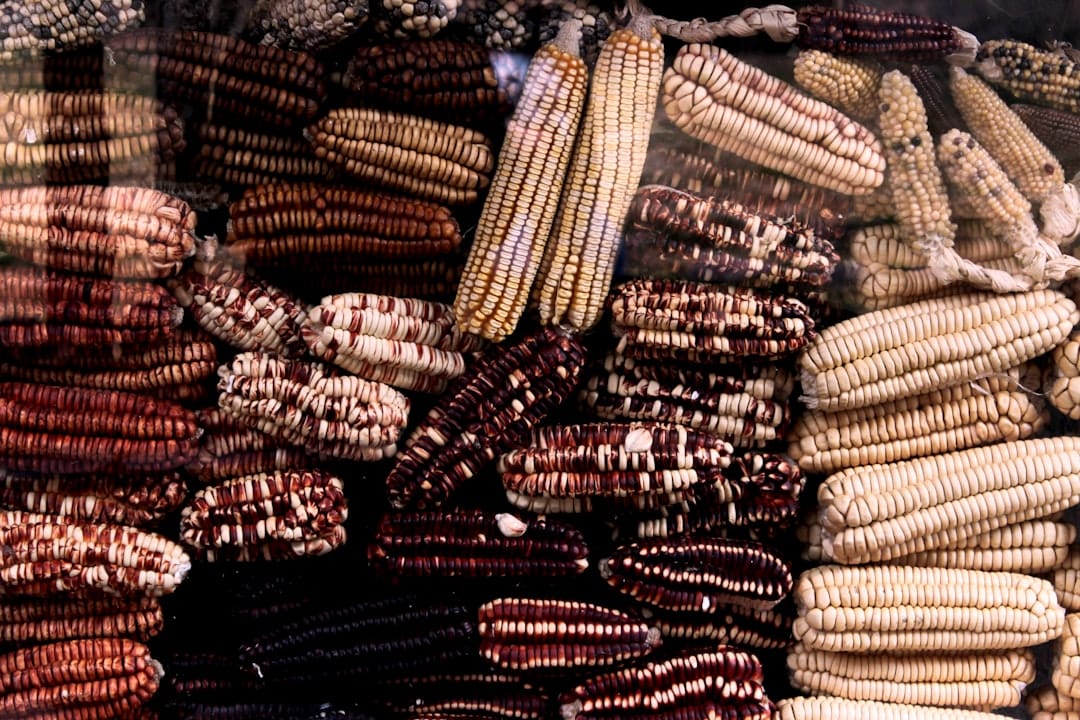
Photo by julian mora on Unsplash
Soft commodities are agricultural products — those grown, cultivated, or raised. The main groupings are:
Grains and oilseeds: wheat, corn (maize), soybeans, rice. These are the caloric backbone of the global food system and together represent the most heavily traded agricultural commodities by volume.
Soft commodities in the narrower sense: coffee, cocoa, sugar, cotton, orange juice. These are produced primarily in tropical and subtropical regions and traded on exchanges such as ICE (Intercontinental Exchange) in New York and London.
Livestock: lean hogs, live cattle, feeder cattle. These are traded on the Chicago Mercantile Exchange (CME) and represent the commoditisation of the meat supply chain.
Soft commodities are subject to a distinct set of price drivers: weather patterns (particularly El Niño and La Niña events), crop disease, seasonal harvest cycles, and geopolitical disruptions to trade routes. Unlike oil or gold, agricultural commodities are perishable, which creates additional complexity in storage and delivery.
The Exchange Infrastructure
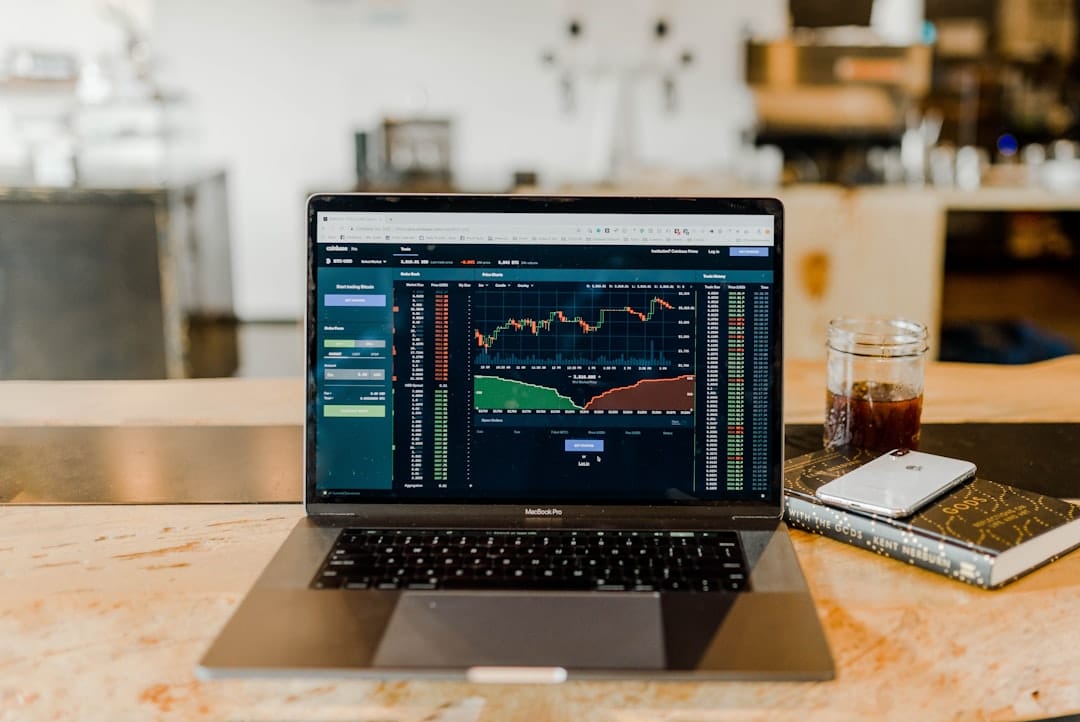
Photo by Austin Distel on Unsplash
The institutional infrastructure for commodity trading is centuries old, but its modern form traces to the mid-nineteenth century. The Chicago Board of Trade (CBOT), founded in 1848, was created to standardise grain contracts and allow farmers to lock in prices ahead of harvest — one of the earliest uses of futures contracts in modern finance.
The London Metal Exchange (LME), founded in 1877, remains the global benchmark for industrial metals pricing. The CME Group — which now encompasses the CBOT, NYMEX (energy), and COMEX (metals) — is the world's largest commodity exchange by volume. The ICE (Intercontinental Exchange), headquartered in Atlanta with major operations in London, covers energy and agricultural markets.
Grading standards enforced by these exchanges are what make global commodity markets possible. Without universally accepted specifications, every transaction would require physical inspection and negotiation — an impossible friction at the scale modern commodity markets operate.