
Following the Crowd

Photo by Ross Sneddon on Unsplash
Humans are social animals. We look to others for cues about how to behave — especially in uncertain situations. When we don't know what the right choice is, the fact that many others are choosing a particular option feels like evidence that it's correct. This is social proof, and it drives herd behaviour: the tendency to follow what the crowd is doing, even when the crowd is wrong.
In most areas of life, following the crowd is a reasonable shortcut. If everyone at a party is eating a particular dish, it's probably good. If thousands of travellers use the same hotel, it's probably reliable.
In financial markets, herd behaviour is far more dangerous.
How Herding Creates Bubbles and Crashes
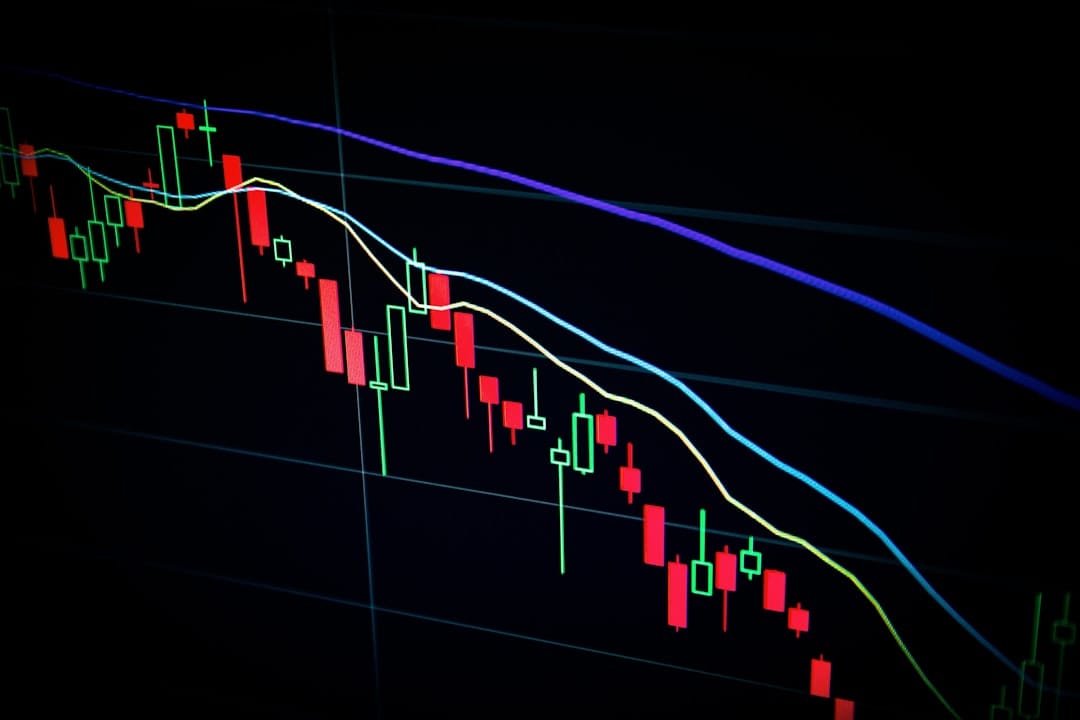
Photo by Maxim Hopman on Unsplash
Financial markets amplify herd behaviour in both directions. When prices rise, more people buy because others are buying — driving prices higher still. When prices fall, panic selling by some triggers panic selling by others, accelerating the decline. Neither movement is necessarily driven by changes in the underlying value of the asset; both are driven by people responding to what others are doing.
Every major speculative bubble — from tulip mania in 1637 to the 2000 dot-com crash to the 2008 housing crisis — was sustained in part by herd behaviour. Investors continued buying not because they had independent valuations, but because prices were rising and everyone else seemed to be getting rich.
FOMO and Its Financial Cost

Photo by Alex Suprun on Unsplash
Fear of missing out (FOMO) is the emotional engine of herd behaviour in markets. When friends, colleagues, or social media contacts are talking excitedly about an investment that's doubled in value, the pressure to participate becomes intense — even if you know nothing about the underlying asset.
FOMO-driven investment decisions typically share the same pattern: buying late in a cycle, after most of the gains have already been made, at elevated prices just before a correction.
Thinking Independently

Photo by Athithan Vignakaran on Unsplash
The antidote to herd behaviour is a principled investment approach that doesn't depend on what others are doing. Understanding why you own an asset, having clear criteria for buying and selling, and avoiding financial news designed to provoke emotional reactions all help maintain independent thinking. As Warren Buffett observed: "Be fearful when others are greedy, and greedy when others are fearful."