
Money Is Never Just Numbers

Photo by Elisa Ventur on Unsplash
Every financial decision carries an emotional charge. Buying a house isn't just a property transaction — it's tied up with security, identity, and belonging. Selling an investment at a loss doesn't just reduce a portfolio balance — it feels like failure. Understanding that emotions are always present in financial decisions is not a sign of weakness. It's a prerequisite for making better ones.
Fear and Greed
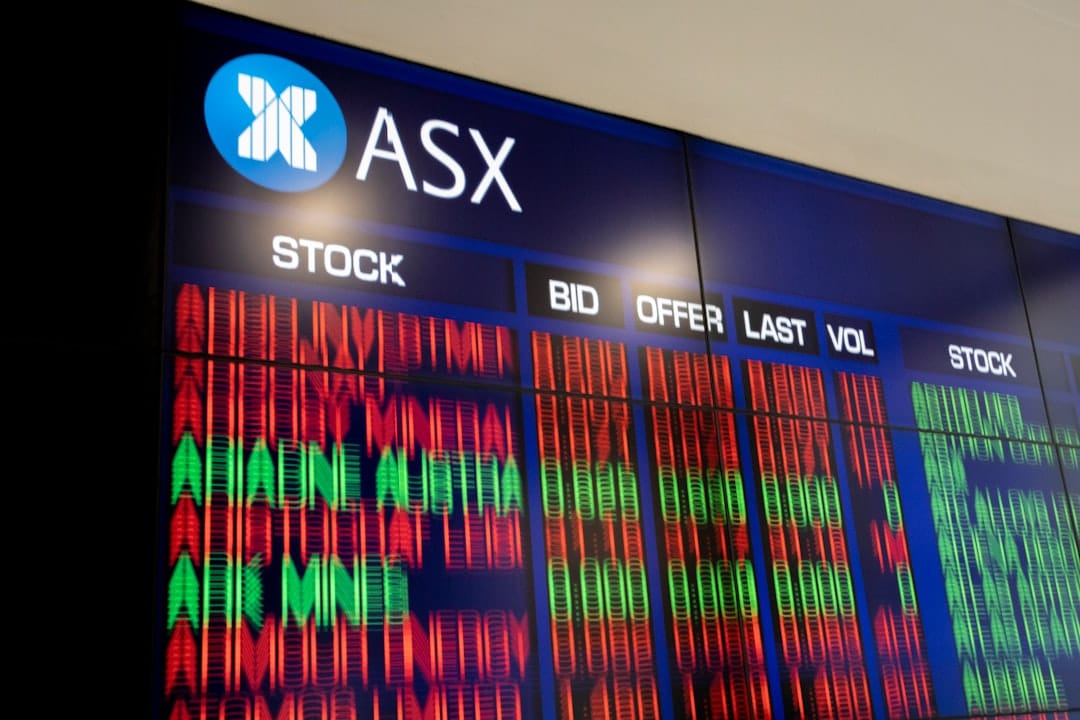
Photo by Marcus Reubenstein on Unsplash
Two emotions dominate financial markets and individual behaviour: fear and greed. Fear causes people to sell assets during downturns — precisely when holding or buying is often the better move. Greed causes people to pile into speculative investments at the peak of a bubble — precisely when caution is warranted.
These two forces have driven market cycles throughout history. Bubbles form when greed overwhelms reason. Crashes accelerate when fear overwhelms logic. Individual investors are not immune — in fact, they often feel these forces more intensely than professional managers, because the money at stake is personal.
The Pain of Losses

Photo by Stefan Spassov on Unsplash
Research consistently shows that losses feel roughly twice as painful as equivalent gains feel good. Losing £100 produces more distress than gaining £100 produces satisfaction. This loss aversion is one of the most powerful forces in financial behaviour.
Loss aversion leads people to hold onto losing investments far longer than makes sense — hoping to break even rather than accepting a loss and redeploying the capital. It leads to excessive caution with savings and under-investment in opportunities that carry any risk of loss.
Emotional Decision-Making vs Rational Decision-Making

Emotional decisions aren't always wrong. Sometimes fear is a useful signal. But problems arise when emotion drives decisions that should be made on logic and evidence. A useful test: ask whether you would make the same decision if you felt calm and indifferent. If fear or excitement is the primary driver, it's worth pausing.
The goal is not to eliminate emotion from financial decisions — that's impossible. It's to recognise when emotion is distorting your judgment and to have systems that slow you down before you act.
Building Emotional Discipline

Photo by Vitaly Gariev on Unsplash
A few practical approaches help:
- Pre-commit to rules. Decide in advance how you'll respond to a market drop of 20% — before it happens, when you're calm.
- Separate signals from noise. Daily price movements in a long-term portfolio are noise. Don't check them daily.
- Name the emotion. When you notice an urge to act impulsively on a financial decision, name what you're feeling. Simply identifying "this is fear" reduces its power over your decisions.
Emotional discipline in finance isn't about being cold or mechanical. It's about ensuring your decisions reflect your genuine long-term interests, not the mood of the moment.