
Understanding Total Return
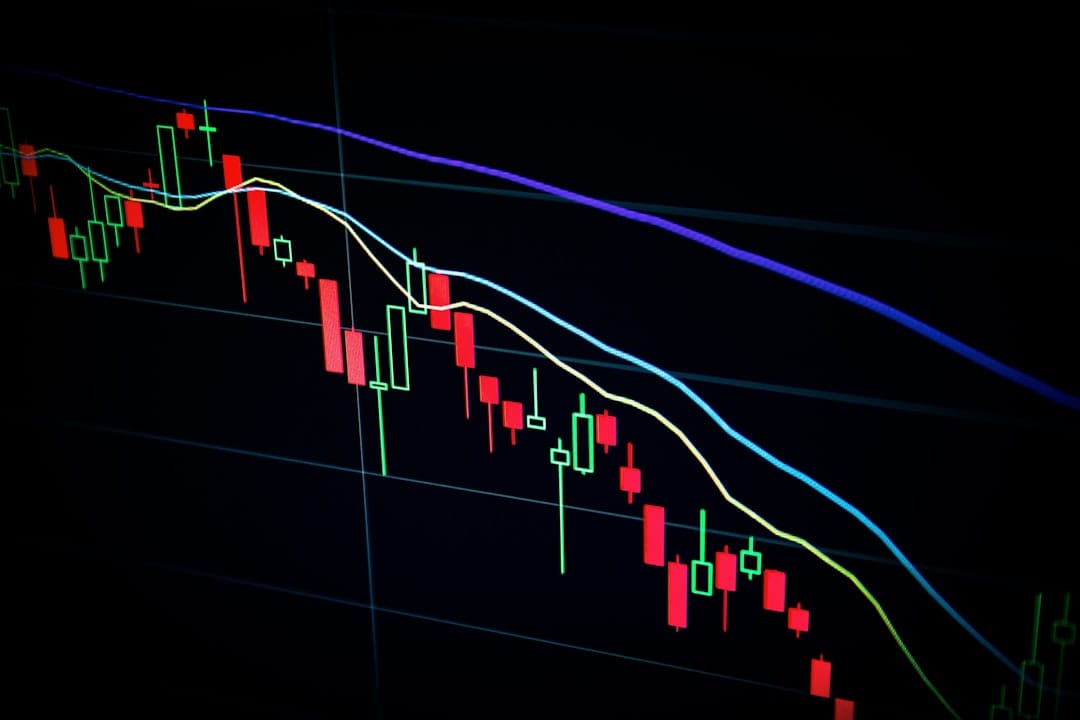
Photo by Maxim Hopman on Unsplash
The return from owning a share comes from two sources: capital appreciation (the share price rising) and income (dividends paid). Together, these constitute the total return. An investor who receives a 3% dividend yield and experiences 7% capital appreciation has earned a 10% total return, regardless of whether they focused consciously on the income or the growth component.
For long-term investors, this total return perspective matters enormously. The importance of reinvested dividends to long-run equity returns is frequently underestimated. John Bogle's research, drawing on US market data back to 1926, showed that approximately half of the long-run real return from equities came from dividends and their reinvestment — not from capital appreciation alone. Strip out dividends, and equity returns over the twentieth century would have looked dramatically less impressive.
What Dividends Signal

Photo by Eyestetix Studio on Unsplash
A dividend is a cash payment from a company to its shareholders, typically paid quarterly (US) or semi-annually (UK). It represents management's decision to return some of the company's earnings to owners rather than retaining and reinvesting them.
Dividends are not inherently superior to retained earnings. A company that reinvests earnings at a high return on capital may create more value by retaining cash than by paying it out. Modigliani and Miller's dividend irrelevance theorem (1961) established that in an idealised world, dividends and capital gains are economically equivalent — investors indifferent between the two should be indifferent between receiving a dividend or seeing the share price rise by the equivalent amount.
In practice, dividends carry information. A dividend initiation or increase signals management confidence about future earnings; a cut signals financial stress. Dividend signalling theory (developed further by Michael Spence and others in the context of information asymmetry) argues that dividends are one way management communicates its genuine assessment of the business's prospects when outside investors cannot fully verify internal information.
Share Buybacks: The Rise of the Alternative Return Mechanism
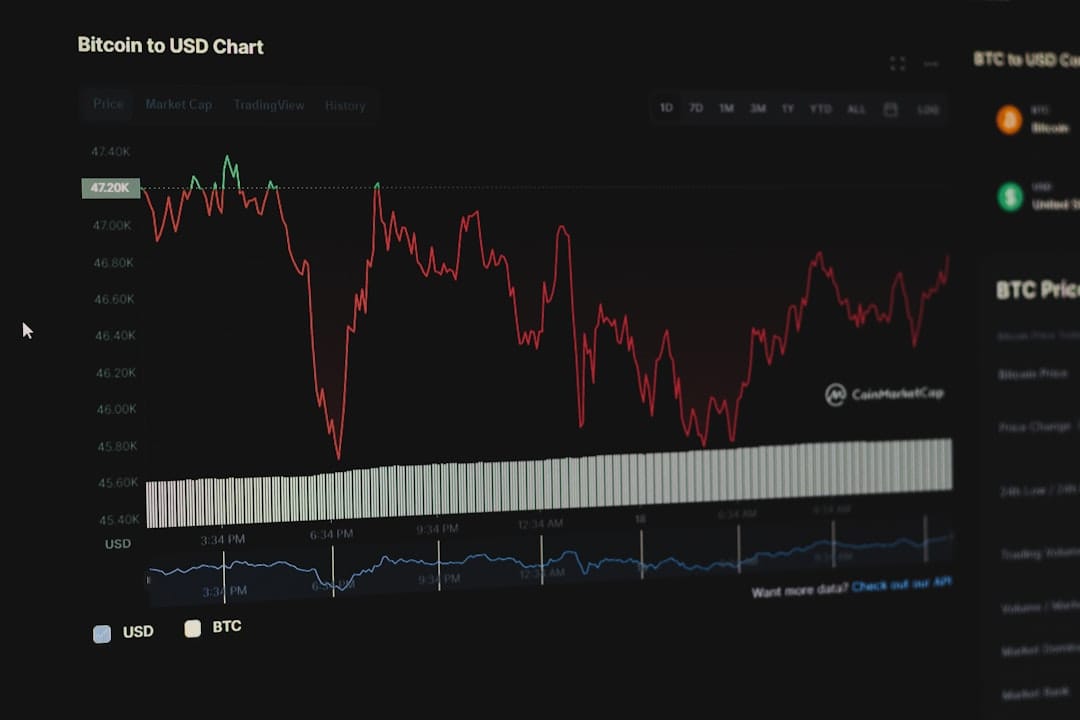
Photo by Behnam Norouzi on Unsplash
From the 1980s onward, and especially in the United States, share buybacks (or share repurchases) became the primary method by which large public companies returned capital to shareholders. A buyback reduces the number of shares outstanding, which — if the company's total value remains constant — increases earnings per share and the ownership percentage of remaining shareholders.
Buybacks have structural advantages over dividends: they are flexible (a company can buy back shares in good years and pause in bad years without the market interpreting it as a distress signal), they may be more tax-efficient in jurisdictions where capital gains are taxed more favourably than dividend income, and they allow investors to choose whether to participate by tendering their shares.
Critics argue that buybacks are often poorly timed — companies buying back stock at elevated prices rather than during weakness — and that they are used to offset executive stock option dilution rather than to genuinely return value. The empirical evidence on buyback timing is mixed: aggregate US corporate buyback activity has historically been procyclical (high during booms, low during recessions).
Dividend Investing

Photo by Vitaly Gariev on Unsplash
Dividend growth investing focuses on companies with long, consistent histories of dividend growth — companies like Coca-Cola, Johnson & Johnson, or Unilever, which have raised their dividends for decades. The thesis is that a sustained ability to grow dividends requires genuinely durable earnings — companies with weak competitive positions cannot reliably grow dividends through economic cycles.
The dividend discount model (DDM) values a share as the present value of all future dividends. In its simplest form (Gordon Growth Model): P = D₁/(r − g), where D₁ is next year's dividend, r is the required rate of return, and g is the expected perpetual dividend growth rate.