
The 50/30/20 Rule

Photo by Almas Salakhov on Unsplash
The simplest budgeting approach is the 50/30/20 rule, which divides after-tax income into three buckets:
- 50% for needs: Housing, utilities, groceries, transport, minimum debt payments.
- 30% for wants: Dining out, entertainment, subscriptions, hobbies, clothing beyond basics.
- 20% for savings and debt repayment: Emergency fund, retirement contributions, extra debt payments.
It's a useful starting framework because it's easy to remember and quick to apply. Its weakness is that it doesn't account for high cost-of-living areas where housing alone might consume more than 50% of income, or for people with aggressive savings goals.
Zero-Based Budgeting

Zero-based budgeting starts from the premise that every dollar of income must be assigned a job. Income minus all allocations (expenses + savings + debt) equals zero.
This doesn't mean spending everything — savings and investments are legitimate "jobs" for your dollars. The point is that no dollar is left unassigned, which eliminates the fuzzy category of "I'm not sure where that money went."
Zero-based budgeting requires more tracking effort than the 50/30/20 method but gives a clearer picture of where money is going.
The Envelope Method
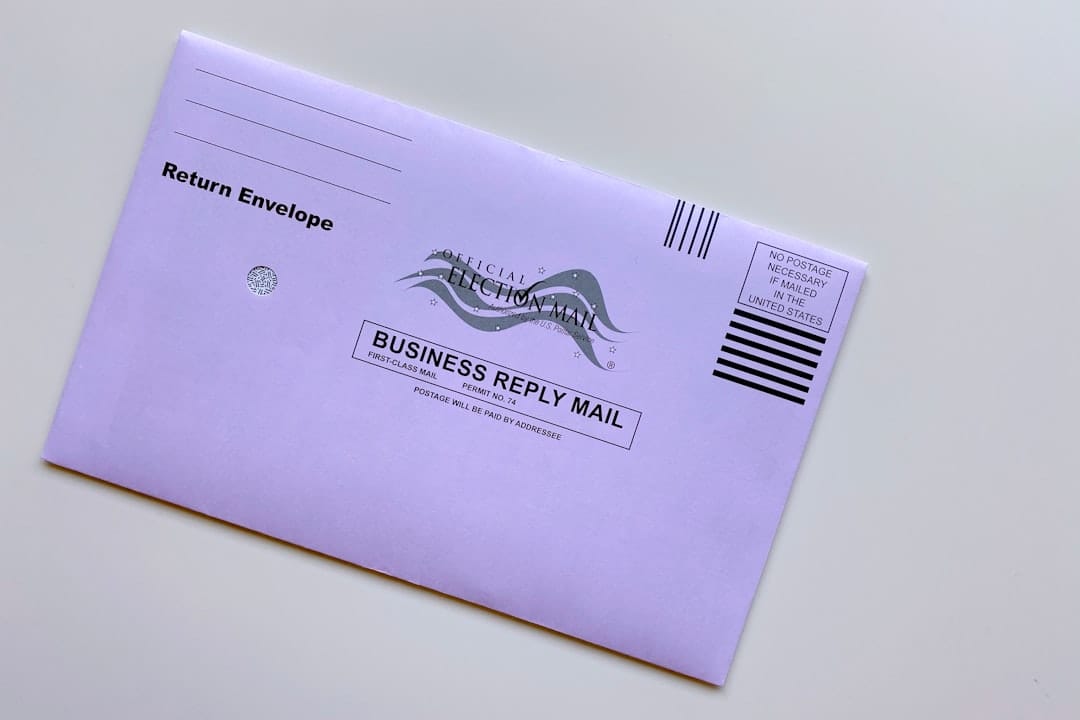
Photo by Tiffany Tertipes on Unsplash
The envelope method assigns a physical (or digital) envelope to each spending category with a fixed cash amount. Once the envelope is empty, spending in that category stops for the month.
It's particularly effective for categories where overspending is habitual — groceries, dining, entertainment. The physical or visual constraint makes limits concrete in a way that a spreadsheet doesn't.
Modern apps replicate this with digital envelopes, making it practical without handling cash.
Pay Yourself First
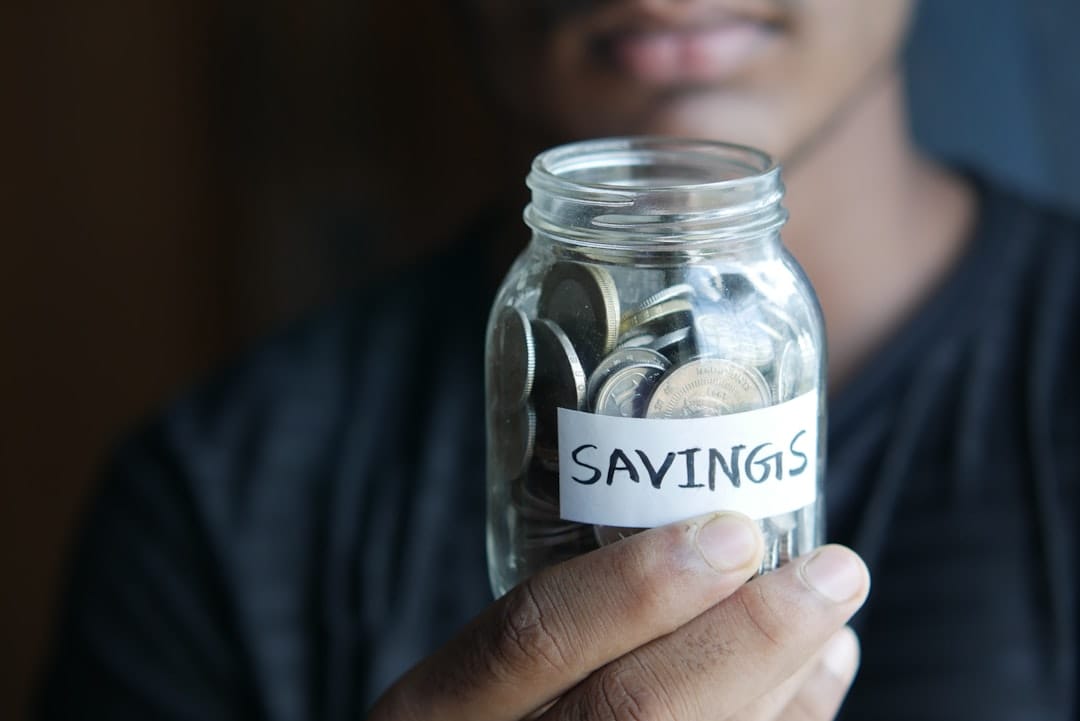
Photo by Towfiqu barbhuiya on Unsplash
"Pay yourself first" inverts the typical sequence. Instead of spending all month and saving whatever's left (often nothing), you automatically transfer a fixed amount to savings the moment income arrives, then live on what remains.
This method sidesteps the willpower required to save consistently. Automating the transfer is the key — if the money never sits in your checking account, the temptation to spend it doesn't arise.
Choosing a Method

Photo by Kelly Sikkema on Unsplash
There is no universally correct method. The best budgeting approach is the one you'll actually use. A simple 50/30/20 split you check monthly beats a meticulously detailed zero-based budget you abandon after two weeks.
Most people benefit from starting simple and adding structure only when simpler approaches aren't working.