
Two Ways to Fund a Business

Photo by Rock Staar on Unsplash
When a company needs capital, it has two primary options: it can sell ownership stakes (equity) or it can borrow money (debt). For investors, these two instruments represent fundamentally different relationships with the company — and fundamentally different risk/return profiles.
Equity means ownership. When you buy shares in a company, you become a part-owner. You are entitled to a share of profits (dividends, if declared) and a share of any residual value if the company is wound up. You also bear the residual risk: if things go wrong, shareholders are last in line to be repaid. Your upside is theoretically unlimited — a share can multiply many times over — but your downside extends to the full value of your investment.
Debt instruments — primarily bonds — represent loans. When you buy a corporate bond, you are lending the company money. In return, the company promises to pay you a fixed rate of interest (the coupon) and to return your principal at maturity. Bondholders are creditors, not owners. They do not participate in the company's upside (a bond capped at its coupon rate cannot triple in value the way a share can), but they have a prior claim on the company's assets.
The Capital Structure and the Repayment Waterfall

A company's capital structure is the mix of debt and equity used to finance its operations. In the event of liquidation or bankruptcy, this structure determines the order in which creditors and owners are repaid — the repayment waterfall.
Secured creditors (banks with collateral) sit at the top. Unsecured bondholders follow. Preference shareholders come next. Ordinary (common) shareholders are last. This ordering is why equity is described as sitting at the bottom of the capital structure. Shareholders absorb losses first and are repaid last. In practice, if a company becomes insolvent, equity holders frequently receive nothing.
This structural subordination is why equity demands a higher expected return than debt. Investors will not accept the risk of being last in line without being compensated with greater potential upside.
The Risk/Return Spectrum
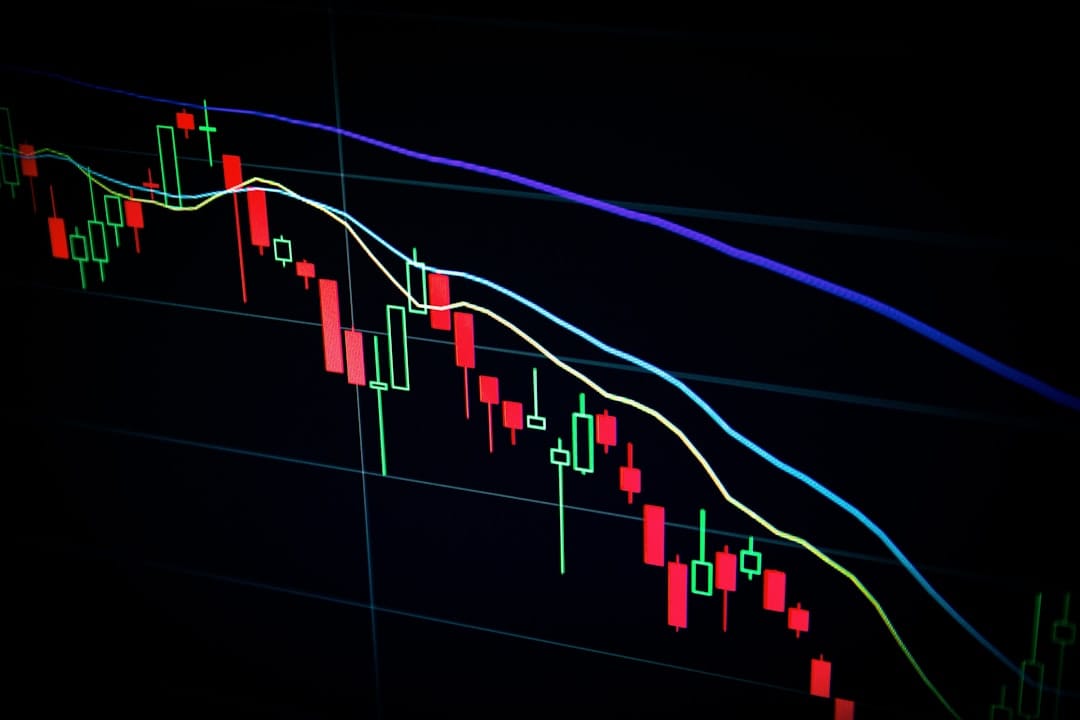
Photo by Maxim Hopman on Unsplash
Investment assets sit on a rough spectrum from lowest risk and lowest expected return to highest risk and highest expected return:
Cash and cash equivalents sit at the conservative end — money market funds, short-term government bonds. Returns are modest but predictable. Investment-grade bonds offer slightly more return with modest credit risk. High-yield (junk) bonds offer meaningfully higher coupons but carry substantial default risk. Equities sit higher still — higher long-run expected returns but significantly more year-to-year volatility.
The equity risk premium — the excess return that equities are expected to deliver over risk-free assets to compensate for their greater risk — has historically averaged roughly 4–6% per year in developed markets, though estimates vary depending on the time period and methodology used. This premium is the financial market's compensation to equity investors for bearing the residual risk of business ownership.
Beyond equities, alternative investments (private equity, hedge funds, venture capital) occupy the furthest reaches of the spectrum, with potentially high returns but also the highest complexity, illiquidity, and risk.