
Confederate Hyperinflation
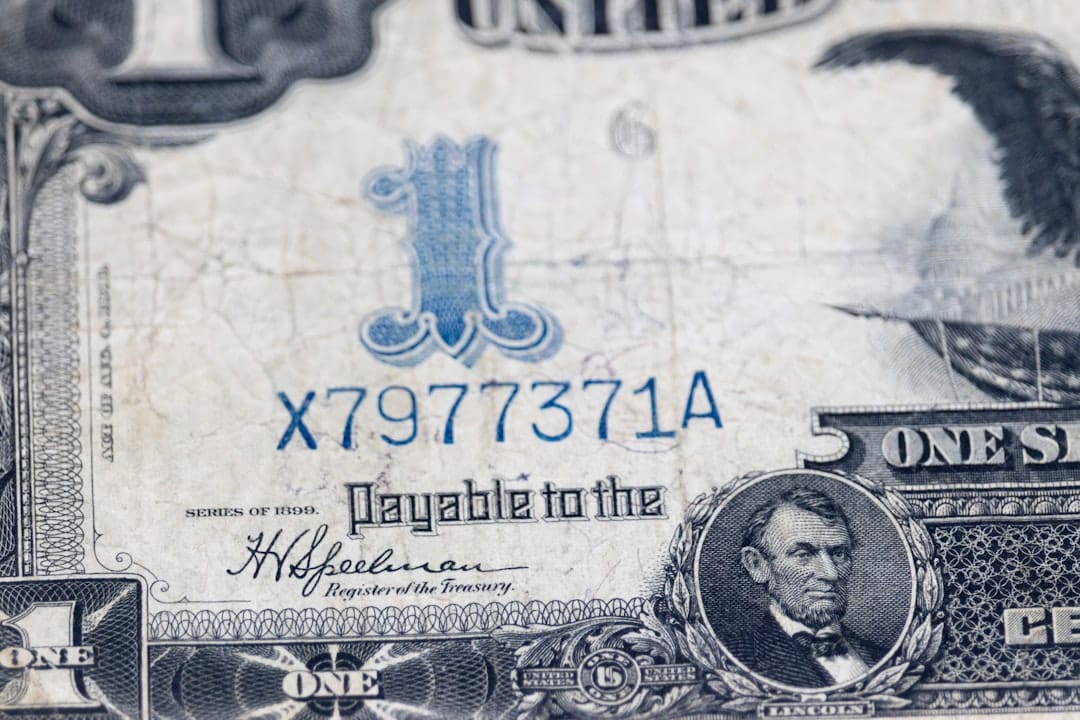
Photo by Andrew Dawes on Unsplash
The Confederate States of America fought the Civil War with a monetary system that was fundamentally broken from the start. With no established tax infrastructure, no access to international credit markets, and a naval blockade restricting customs revenues, the Confederacy printed money at a pace that produced one of American history's most severe inflations. The Confederate dollar's collapse was both a symptom and a cause of the Confederacy's military defeat.
The Confederate Monetary System
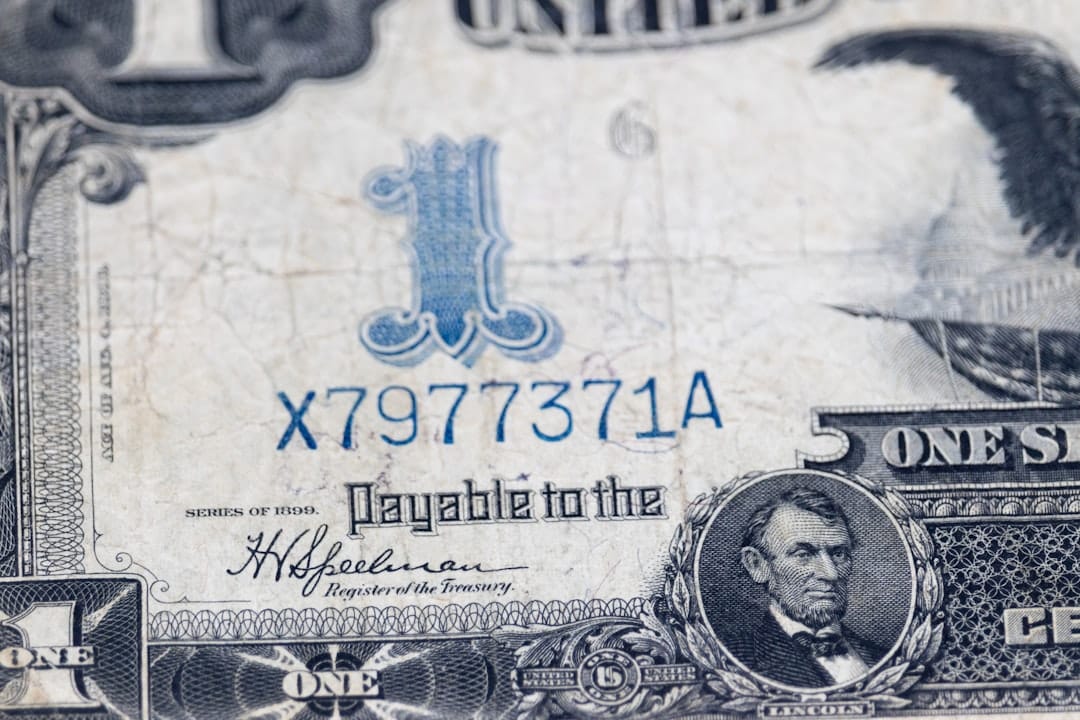
Photo by Andrew Dawes on Unsplash
The Confederate government issued Treasury notes — paper currency — without any gold backing or credible commitment to redemption. Unlike the Union's greenbacks, which were declared legal tender by a functioning government with taxing capacity and institutional credibility, Confederate currency rested only on the expectation that the Confederacy would win the war and honour its obligations.
The initial Confederate Congress was ideologically reluctant to impose taxes — many Confederate leaders had opposed federal taxation as tyrannical. Tax legislation was weak and enforcement weaker. Revenue from taxation was a small fraction of expenditure. Customs revenues were throttled by the Union naval blockade. Bond sales, while initially successful in the Confederacy's wealthier circles, could not cover the growing fiscal gap. The solution, by default, was the printing press.
The Inflation Trajectory

Photo by Maxim Hopman on Unsplash
Confederate inflation was severe and accelerating. A commodity price index that stood at 100 in January 1861 had reached approximately 9,200 by January 1865 — a 92-fold increase in four years. A soldier's monthly pay purchased steadily less; civilian purchasing power was destroyed. By early 1865, a barrel of flour cost $1,000 in Confederate dollars; a pound of butter cost $25.
The monetary economist Eugene Lerner, in a classic study, documented that the Confederate money supply increased approximately 11-fold between 1861 and 1865, while real output fell (due to the war's disruption of agriculture and industry). This combination of more money and less output drove prices at a pace consistent with the hyperinflation observed.
Military Consequences

Photo by Amie Martin on Unsplash
The inflation had direct military consequences. Confederate soldiers' pay, fixed in nominal terms, was worth a fraction of its original real value by mid-war. Procurement of military supplies required ever-larger nominal outlays. Southern planters and merchants, recognising that Confederate currency was deteriorating, demanded payment in kind or in gold when possible — both scarce.
By late 1864, the Confederate government was reduced to impressment — seizing goods from civilian populations at government-set prices paid in worthless Confederate notes — which destroyed whatever residual civilian support for the war remained. The currency's collapse was intertwined with the Confederacy's military and political disintegration.