
An Interconnected World
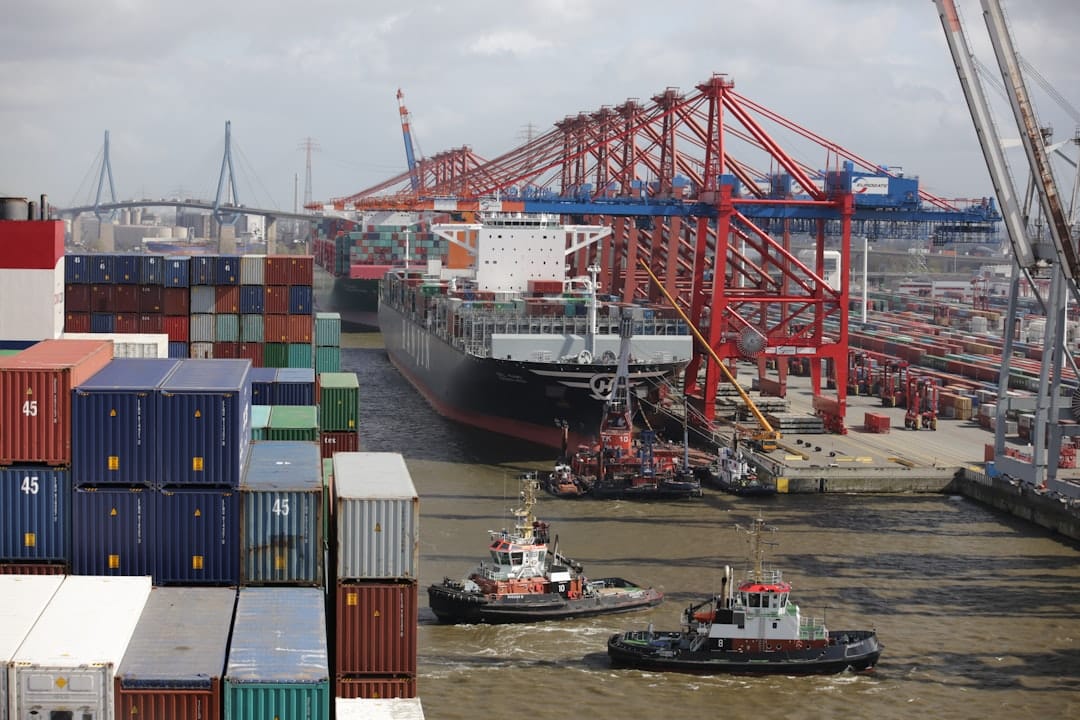
Photo by Bernd 📷 Dittrich on Unsplash
Globalisation is the process by which economies, markets, and people have become increasingly connected across national borders. Supply chains span continents. Financial markets trade around the clock. Capital moves instantly between countries. A factory closure in one country can create shortages in another; an interest rate decision by the US Federal Reserve sends ripples through asset prices worldwide.
For individuals, this interconnectedness shapes everything from the price of groceries to the returns on your investment portfolio.
How Globalisation Affects Prices
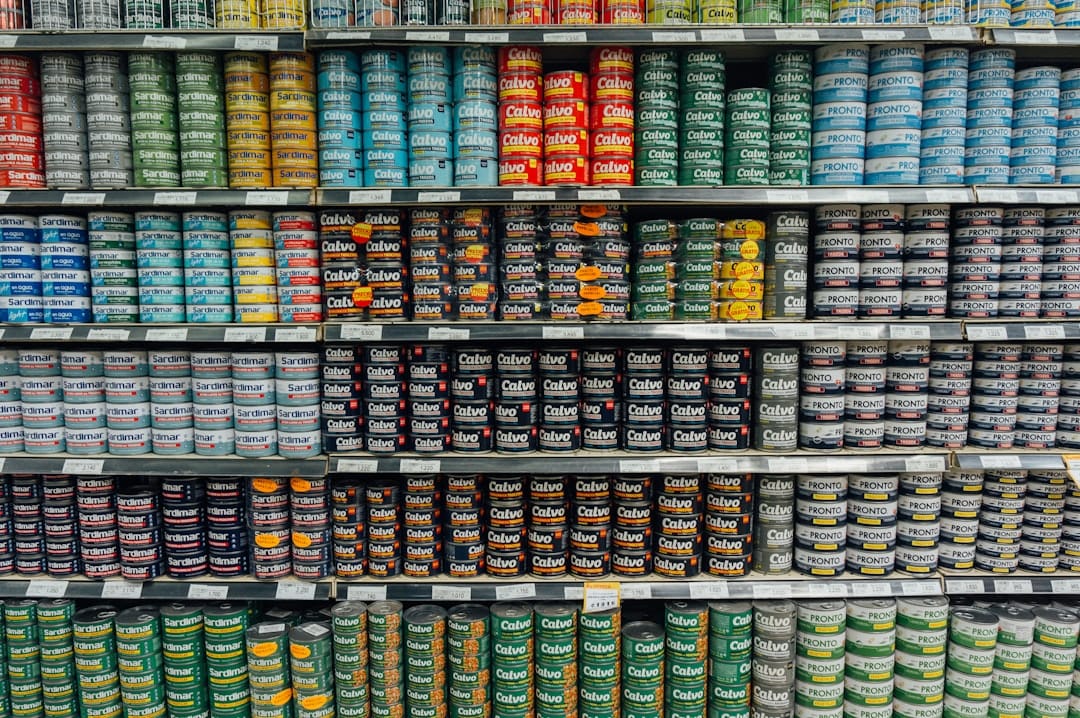
Photo by Tobias Tullius on Unsplash
Global trade generally lowers prices for consumers. When countries specialise in what they produce most efficiently and trade with each other, goods become cheaper and more varied. The last few decades saw global integration pull hundreds of millions of people out of poverty and reduce the real cost of manufactured goods in developed countries.
But globalisation also transfers some economic risks. A disruption to global supply chains — as seen during the Covid-19 pandemic — can create shortages and inflation that domestic policy alone cannot fix. Dependence on imported goods means that external shocks become internal problems quickly.
Investing in a Globalised World
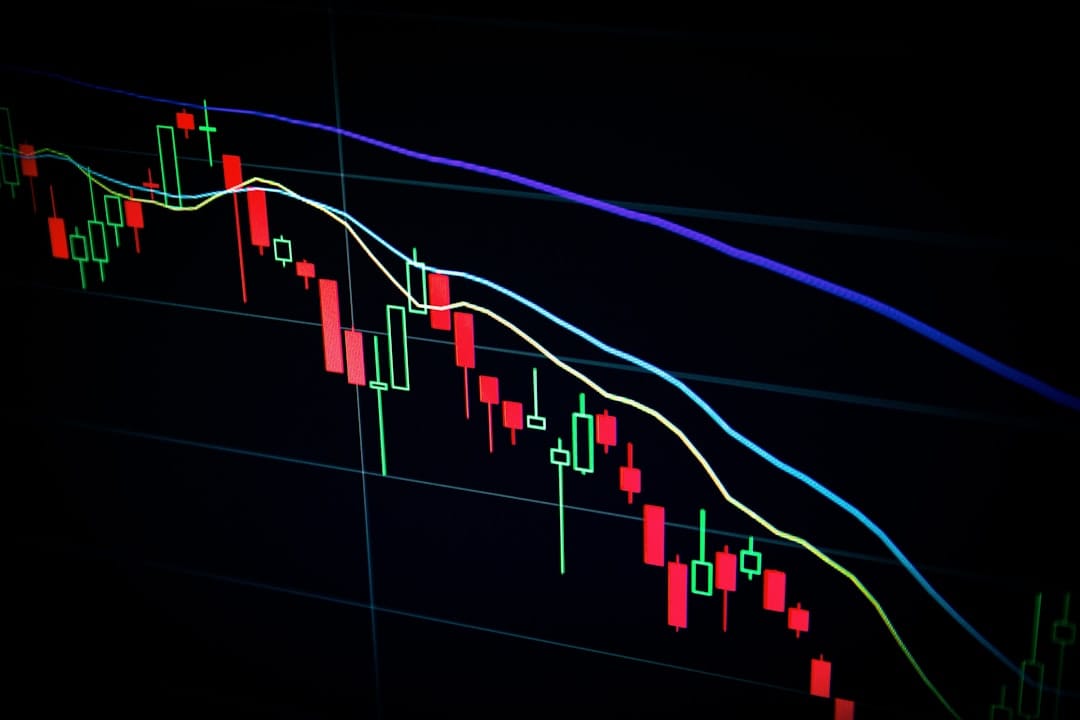
Photo by Maxim Hopman on Unsplash
Financial markets are globally integrated. When you invest in a diversified equity fund, you're likely holding companies that earn revenues across many countries. This gives you exposure to global growth — which over long periods has been higher than domestic growth in many countries — but also to global risks.
Currency movements, geopolitical events, and the monetary policies of major central banks (particularly the US Federal Reserve) all affect the returns on internationally diversified portfolios. Understanding that your portfolio is a global, not just local, instrument changes how you think about risk.
Deglobalisation: A New Trend?

Photo by Alexandr Podvalny on Unsplash
After decades of deepening integration, recent years have seen a partial reversal. Supply chain disruptions, geopolitical tensions, and concerns about strategic dependencies have prompted governments to "reshore" critical industries. This may mean modestly higher prices for some goods as the efficiency gains of globalisation are partially unwound — but also potentially greater resilience in domestic supply.
Staying Oriented

Photo by Jakub Żerdzicki on Unsplash
You don't need to track every global development. But understanding that your financial life is embedded in a global system — not just a domestic one — helps you interpret the forces acting on prices, interest rates, and markets, and make decisions accordingly.