Finance Brain
Courses
Sign in
← Back to decks
Sign in to save your progress, vote, and build your own decks.Sign in

Every Nation Abandoned Gold in 1914

On August 4, 1914, Great Britain suspended gold convertibility. Within days, every major belligerent had done the same. The pre-war gold standard — which had constrained government spending and required that paper money be redeemable in gold at a fixed rate — was suspended within the first week of…

4 cards
Study this deck

Every Nation Abandoned Gold in 1914

Every Nation Abandoned Gold in 1914

gold and silver round coins

Photo by Zlaťáky.cz on Unsplash

On August 4, 1914, Great Britain suspended gold convertibility. Within days, every major belligerent had done the same. The pre-war gold standard — which had constrained government spending and required that paper money be redeemable in gold at a fixed rate — was suspended within the first week of the war. This was the first monetary act of World War I, and it was understood at the time as a profound rupture.

The Gold Standard as a War Constraint
brown and beige weighing scale

Photo by Piret Ilver on Unsplash

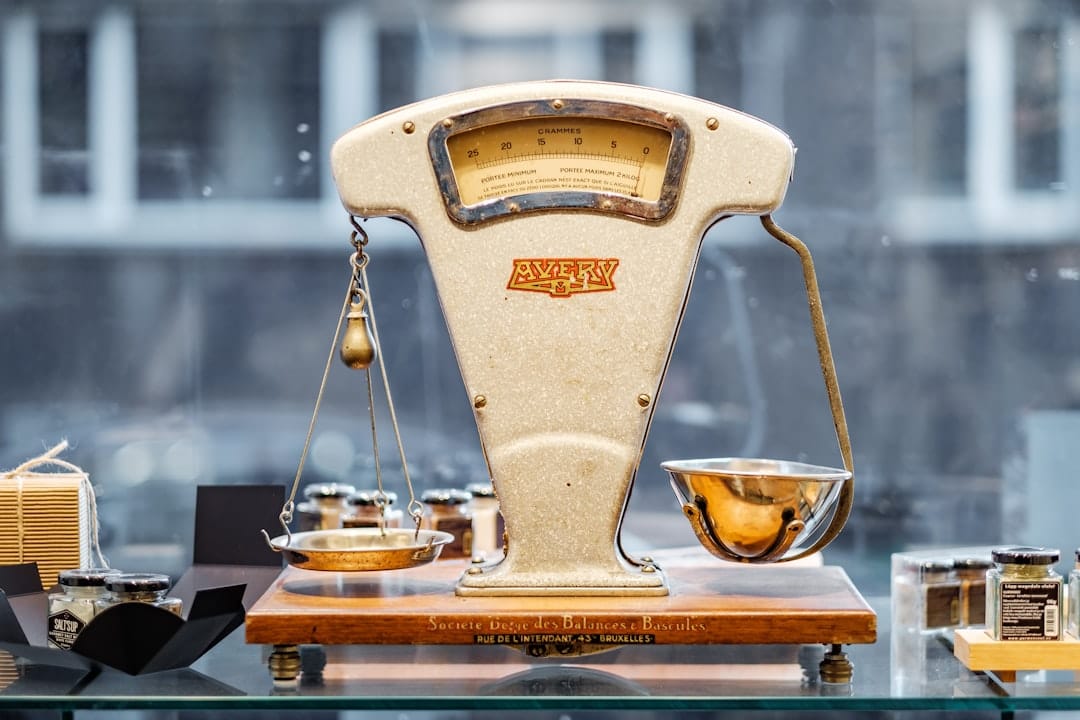
The classical gold standard (approximately 1870–1914) imposed genuine discipline on governments. A country that printed more money than its gold reserves could support faced a run on its gold: citizens and foreign holders would present notes and demand gold, draining reserves. Governments that ran large deficits would see gold outflows that forced either spending cuts or higher interest rates to attract gold back.

This constraint made the gold standard incompatible with total war. Industrial-scale warfare required spending multiples of peacetime government revenue — spending that no combination of taxation and bond sales could fully cover. Suspending gold convertibility was not a choice; it was a prerequisite. A government fighting a modern war while maintaining gold convertibility would simply run out of gold within months.

The Economist magazine had argued before the war that a European conflict was impossible precisely because financial interdependence would destroy any belligerent's economy within weeks. This was spectacularly wrong: the suspension of gold convertibility liberated governments from the financial constraint the Economist had assumed would be binding.

Financing the War
Soldiers browsing a display rack in a store.

Photo by The New York Public Library on Unsplash

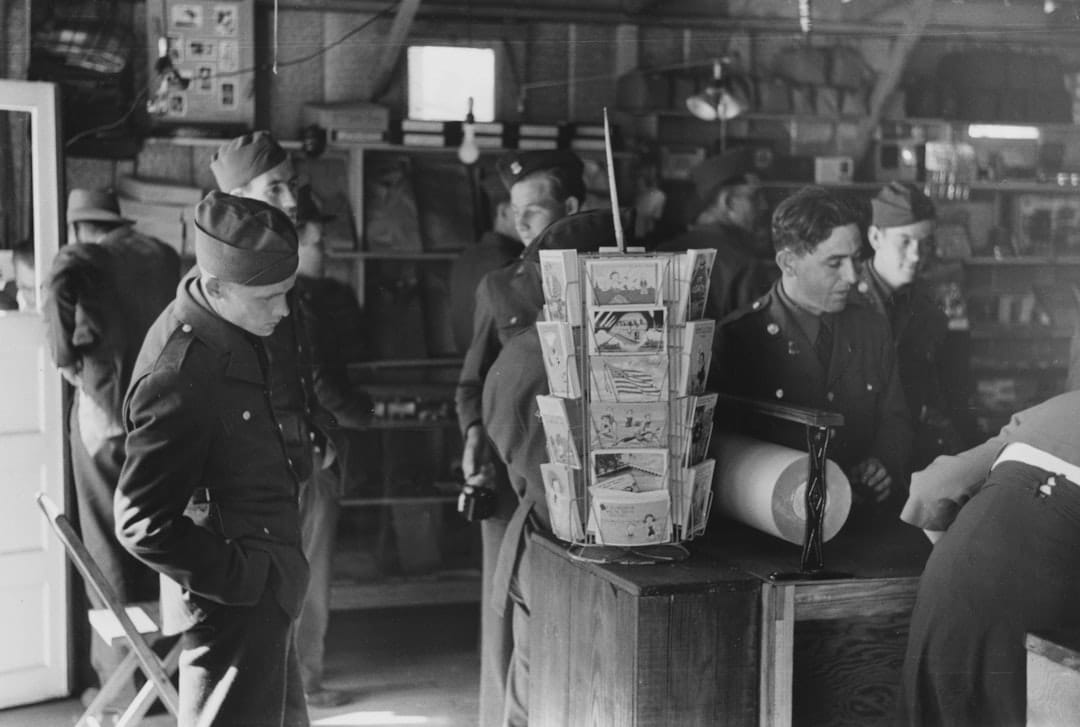
Once free of the gold constraint, belligerent governments financed the war through three mechanisms:

  1. Taxation — increased substantially but insufficient alone
  2. Bond sales — Liberty Bonds in the US, War Bonds in Britain, public subscriptions across all belligerents; patriotic appeals mixed with financial incentives
  3. Money creation — central bank financing of government deficits, which produced inflation across all belligerent economies

All three were used simultaneously. None alone was sufficient; together they financed approximately four years of industrial warfare at costs that dwarfed all prior human conflict.

The Post-War Monetary Disorder
a one hundred dollar bill with a picture of a man's face on it

Photo by engin akyurt on Unsplash

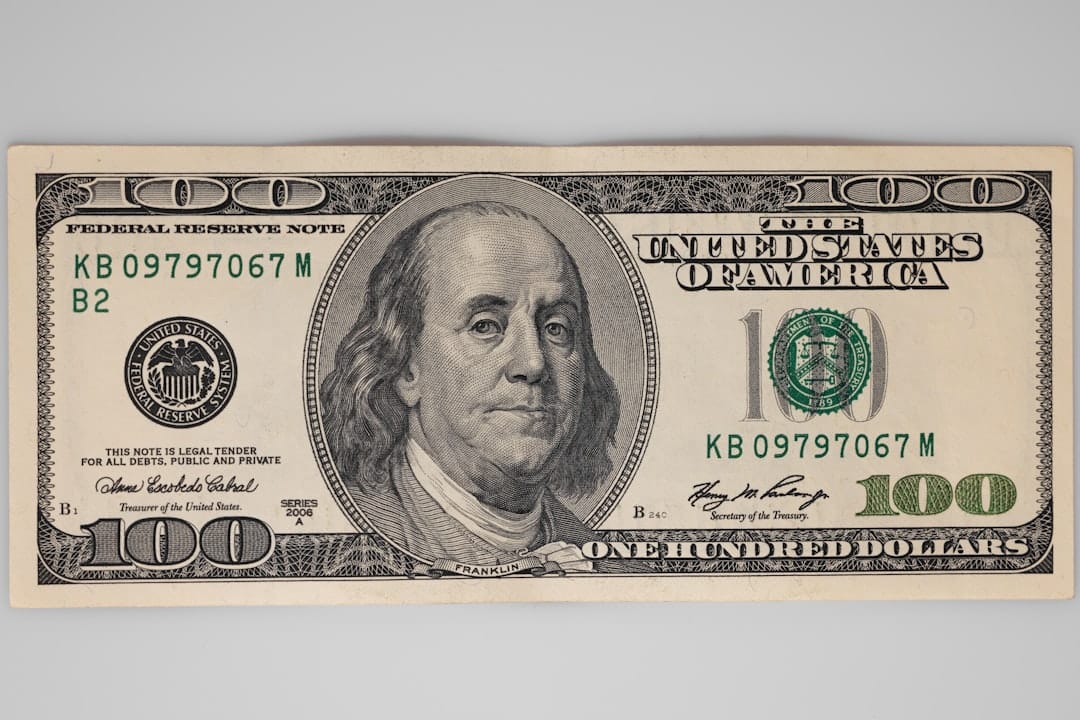
The war left all major economies with inflated money supplies, broken capital flows, enormous debts, and destroyed trade relationships. Attempts to restore the pre-war gold standard — which all parties treated as the obvious goal — produced deflationary crises that contributed to the interwar economic instability and ultimately the Great Depression.

Educational content only. Not financial, investment, tax or legal advice. Learn more

Quiz me on this
Why was the pre-war gold standard fundamentally incompatible with modern total war?
  1. Gold standard rules prohibited deficit spending, which all belligerent governments needed to finance military operations
  2. ✓ Maintaining gold convertibility required balanced budgets; industrial-scale warfare required spending multiples of peacetime revenue that no country could cover without money creation
  3. The gold standard required fixed exchange rates between belligerents, making trade-based financing impossible
  4. International gold standard rules prohibited countries at war from issuing new debt instruments
What had The Economist argued before 1914 about the possibility of a major European war?
  1. A European war was inevitable within five years and governments should begin financial preparations
  2. ✓ Financial interdependence would destroy any belligerent's economy within weeks, making major war impossible
  3. Only countries with gold reserves exceeding six months of military expenditure could sustain a prolonged conflict
  4. Central banks would be able to coordinate gold standard rules to limit war financing and force early negotiations
What three mechanisms did belligerent governments use simultaneously to finance World War I?
  1. Confiscation of enemy assets, colonial tribute, and war reparations from occupied territories
  2. ✓ Taxation, bond sales (Liberty Bonds, War Bonds), and money creation through central bank financing
  3. Corporate profits taxes, import tariffs, and mandatory savings programmes for citizens
  4. Gold seizures from private citizens, requisitioning of private bank deposits, and property taxes on landed estates
What problem did post-war attempts to restore the gold standard create?
  1. Countries that restored gold convertibility saw their exports priced out of international markets
  2. ✓ Returning to pre-war parities required deflation — falling prices — that contributed to interwar economic instability and the Great Depression
  3. Countries that restored gold convertibility immediately attracted speculative gold inflows that destabilised their banking systems
  4. The gold standard required fixed exchange rates, preventing countries from adjusting to their different post-war economic positions