
Franchising: Buying a Proven System

Photo by Roman Manshin on Unsplash
A franchise is a legal and commercial relationship in which a franchisor (the brand owner) grants a franchisee (the operator) the right to run a business using the franchisor's systems, brand, and ongoing support — in exchange for fees and royalties. It is one of the most structured paths to business ownership, with advantages and constraints that are built into the model by design.
How the Economics Work

Photo by Jakub Żerdzicki on Unsplash
The franchisee pays several layers of cost to the franchisor:
Franchise fee: A one-time payment for the right to operate in a territory, typically $20,000–$50,000 for most established brands. Fast-food franchises (McDonald's, Chick-fil-A) can run $45,000–$50,000 or more. Service franchises (cleaning, staffing, tutoring) are often lower.
Royalties: A percentage of gross revenue paid to the franchisor, typically 4–8%, regardless of profitability. A franchise grossing $1.5 million annually at a 6% royalty pays $90,000 per year before accounting for any operating costs.
Marketing/advertising fund contributions: An additional 1–3% of gross revenue contributed to the franchisor's national or regional advertising fund. The franchisee has little control over how this money is spent.
Total investment: Initial franchise fee plus build-out, equipment, initial inventory, working capital, and other startup costs. A fast-food franchise total investment can range from $300,000 to $2.5 million depending on the brand and whether space is leased or built.
The Franchise Disclosure Document (FDD)

Photo by Arisa Chattasa on Unsplash
The FTC requires franchisors to provide prospective franchisees with a Franchise Disclosure Document at least 14 days before any agreement is signed. The FDD contains 23 items including audited financials, litigation history, and termination/renewal terms.
Item 19 — Financial Performance Representations: The only place franchisors are permitted to disclose actual unit-level financial results. Not all franchisors include Item 19 data. Those that do should have their average unit volumes and ranges scrutinised carefully against total investment requirements. A brand with high average unit revenue but a wide range may have most of its performers clustered at the low end.
What Franchisees Give Up

The franchisor controls the brand. A national food safety incident, a brand controversy, or a franchisor's poor marketing decisions affect all franchisees regardless of their individual performance. Franchisees also cannot easily sell: most franchise agreements require franchisor approval of any ownership transfer, limiting exit flexibility.
The franchisee is not building an independent business — they are operating within a defined system. Innovation, menu changes, supplier switches, and pricing decisions are generally controlled by the franchisor.
When Franchising Makes Sense
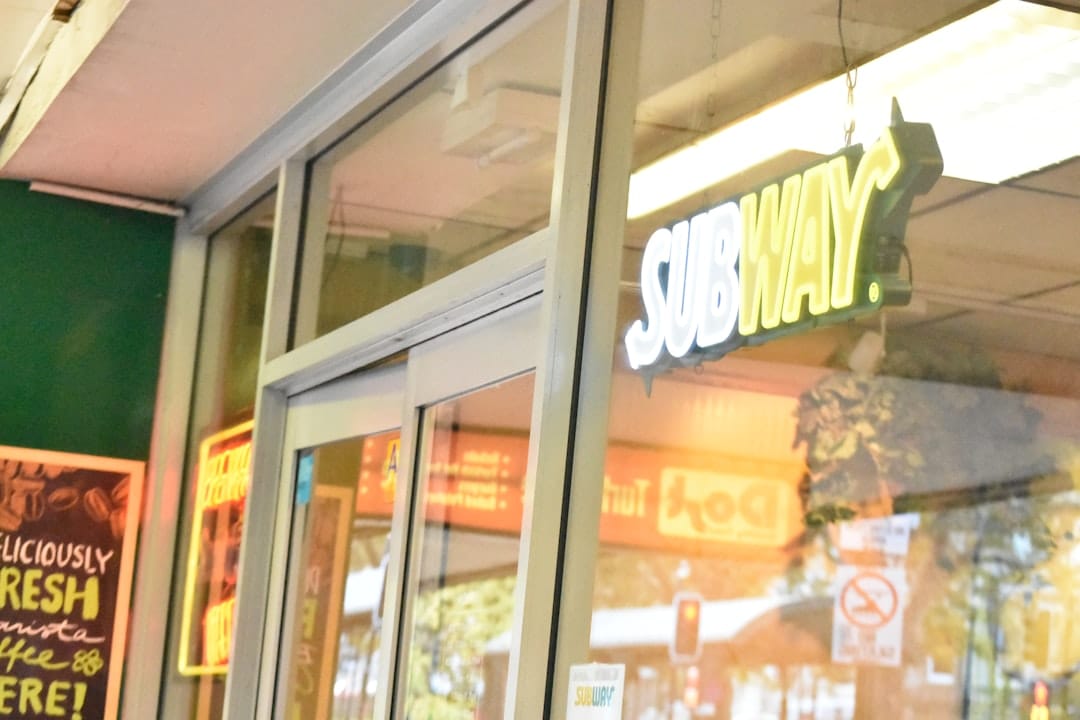
Photo by Duskfall Crew on Unsplash
Franchising reduces the risk of business failure through proven systems, brand recognition, and supplier relationships. First-time business owners with capital but limited operational experience can benefit from the structure. The trade-off is cost and control. The math must work: after royalties, advertising fees, debt service on the initial investment, and operating costs, the remaining owner income must justify the capital and labour deployed.