
What Is GDP?
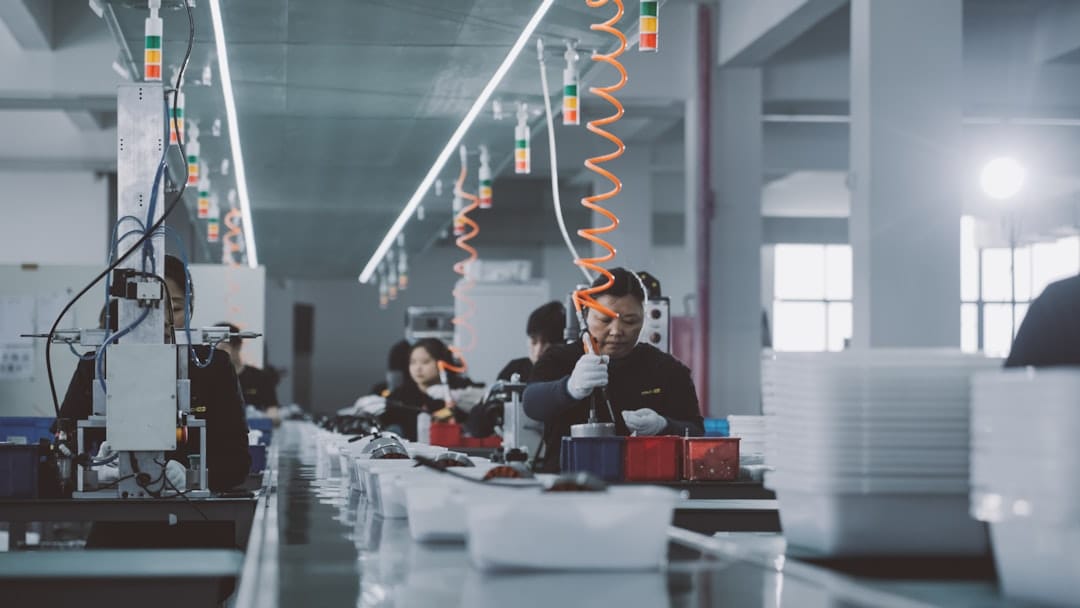
Gross Domestic Product (GDP) is the total monetary value of all goods and services produced in a country during a given period — usually a year or a quarter. It's the most commonly used measure of the size and health of an economy.
When GDP is growing, the economy is expanding: businesses are producing more, people are earning more, and employment tends to be rising. When GDP is contracting for two consecutive quarters, that's technically a recession.
What GDP Measures (and What It Doesn't)

Photo by Krisztina Papp on Unsplash
GDP captures economic output — the flow of goods and services. A higher GDP per person generally correlates with higher living standards, better infrastructure, and more access to goods and services.
But GDP doesn't measure everything that matters. It doesn't capture inequality — a country can have high GDP while wealth is concentrated among a small fraction of the population. It doesn't measure unpaid work, environmental sustainability, health outcomes, or wellbeing. These limitations matter when you're interpreting economic headlines, but GDP remains the most widely used barometer of economic activity.
How Growth Affects Your Financial Life

Photo by Vitaly Gariev on Unsplash
Economic growth has concrete effects on your personal finances:
Employment and wages. A growing economy creates demand for labour, pushing wages up and making it easier to find and change jobs. A shrinking economy does the opposite — unemployment rises and wage growth stalls.
Investment returns. Corporate earnings tend to grow with the economy, and stock markets broadly reflect long-run economic growth. This is one reason that diversified equity investing over long periods has historically produced positive real returns.
Government spending and taxes. Growth expands the tax base, giving governments more room to fund services without raising tax rates. Weak growth often leads to spending cuts or tax increases — both of which affect individuals.
Interpreting Economic Data
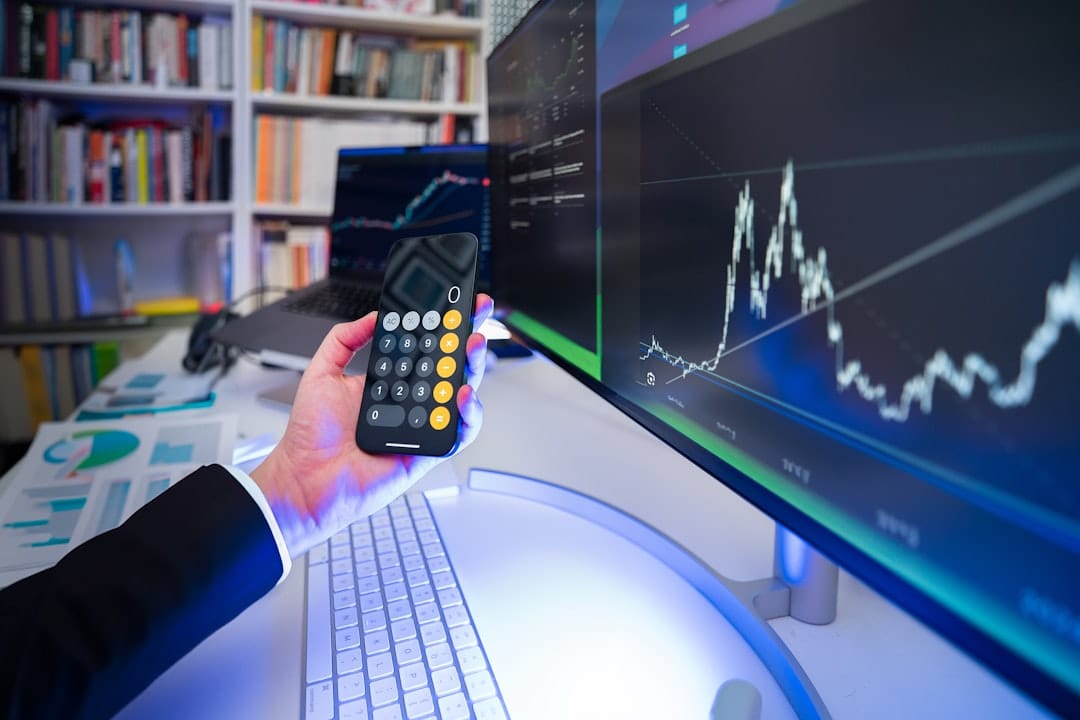
Photo by Jakub Żerdzicki on Unsplash
When you hear that GDP grew 2.5% last year, that means the economy produced 2.5% more in real terms than the year before. Relative to population growth and inflation, that might represent a modest improvement or a stagnation in living standards, depending on context.
Knowing what GDP measures — and watching trends rather than single data points — gives you a clearer sense of the economic environment your career, investments, and financial decisions are operating in.
GDP Is a Lagging Indicator
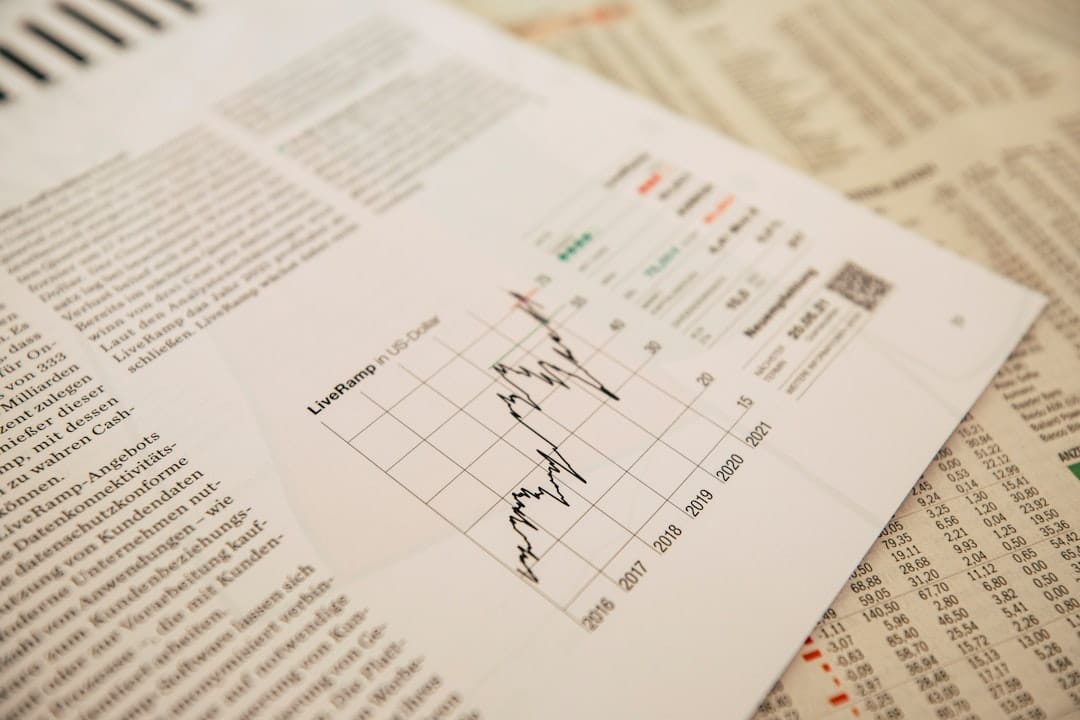
Photo by Markus Spiske on Unsplash
One important caveat: GDP data is released after the fact. By the time you read that GDP contracted last quarter, you're already in the recession. More forward-looking indicators — unemployment claims, business investment, consumer confidence — can give an earlier read on where the economy is heading.